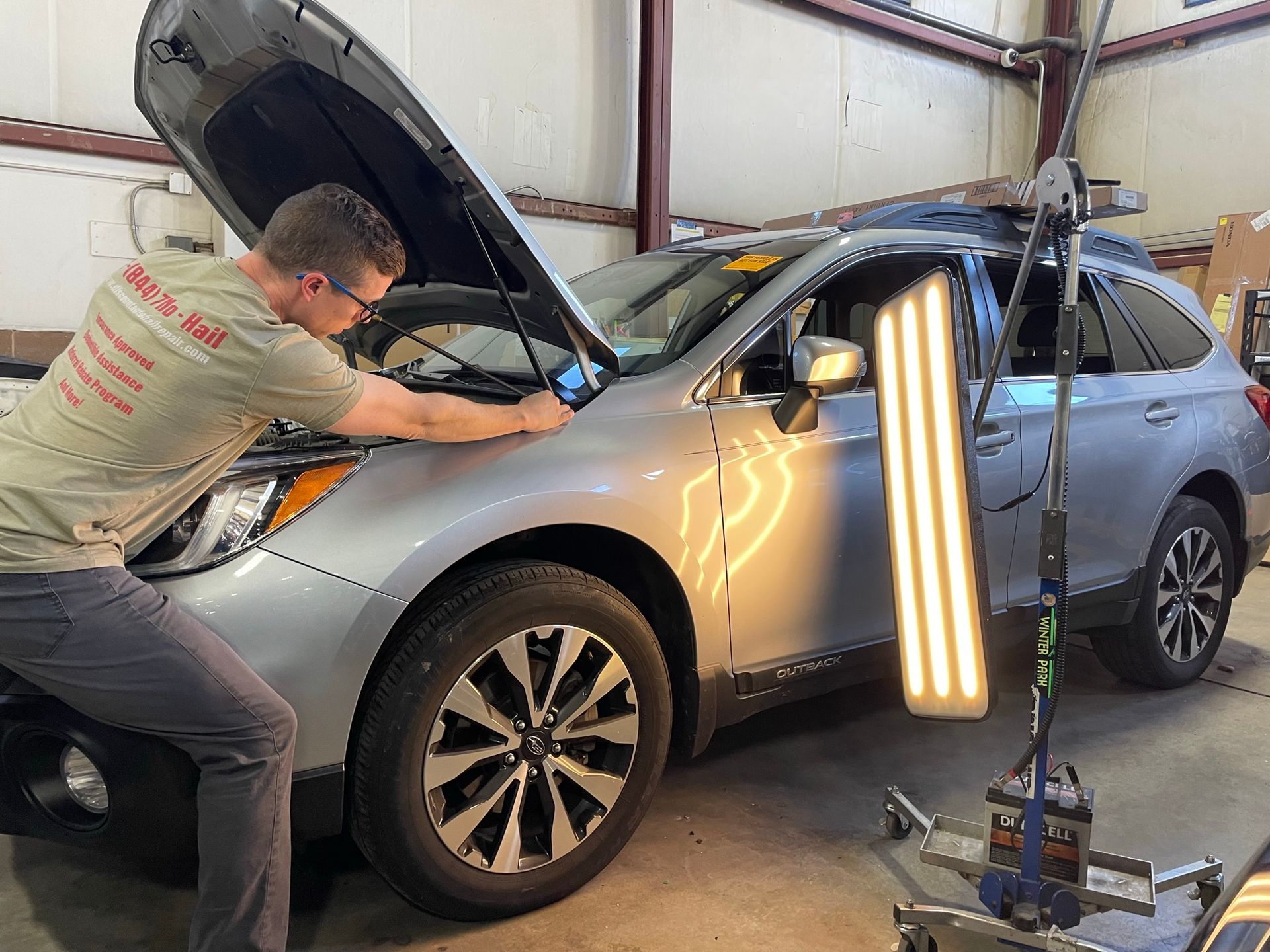
In this guide, we explain where vehicle hail damage in Denver, CO, often hides after a storm, and why those spots deserve a closer look. Hail dents do not always appear on the parts owners check first. Many drivers walk around the car, see nothing obvious, and assume the storm passed them by. Hail is unpredictable, and a vehicle can carry dents that only become visible days or weeks later as the light shifts. Call us today at 844-766-4245 if you want a professional set of eyes on your vehicle after a storm.
Why Denver Storms Leave Hidden Dents
Denver storms often leave vehicle hail damage that is easy to miss at first glance. Storms that form near the Front Range, the foothills along the Rocky Mountains, can cross the metro area quickly. Wind can push hail sideways, so the side of a car facing the storm may take more hits than the side sheltered by a garage. Fast-moving storm cells can also drop stones of varying sizes within a single event, which means one parked car may show dents while the one next to it looks untouched.
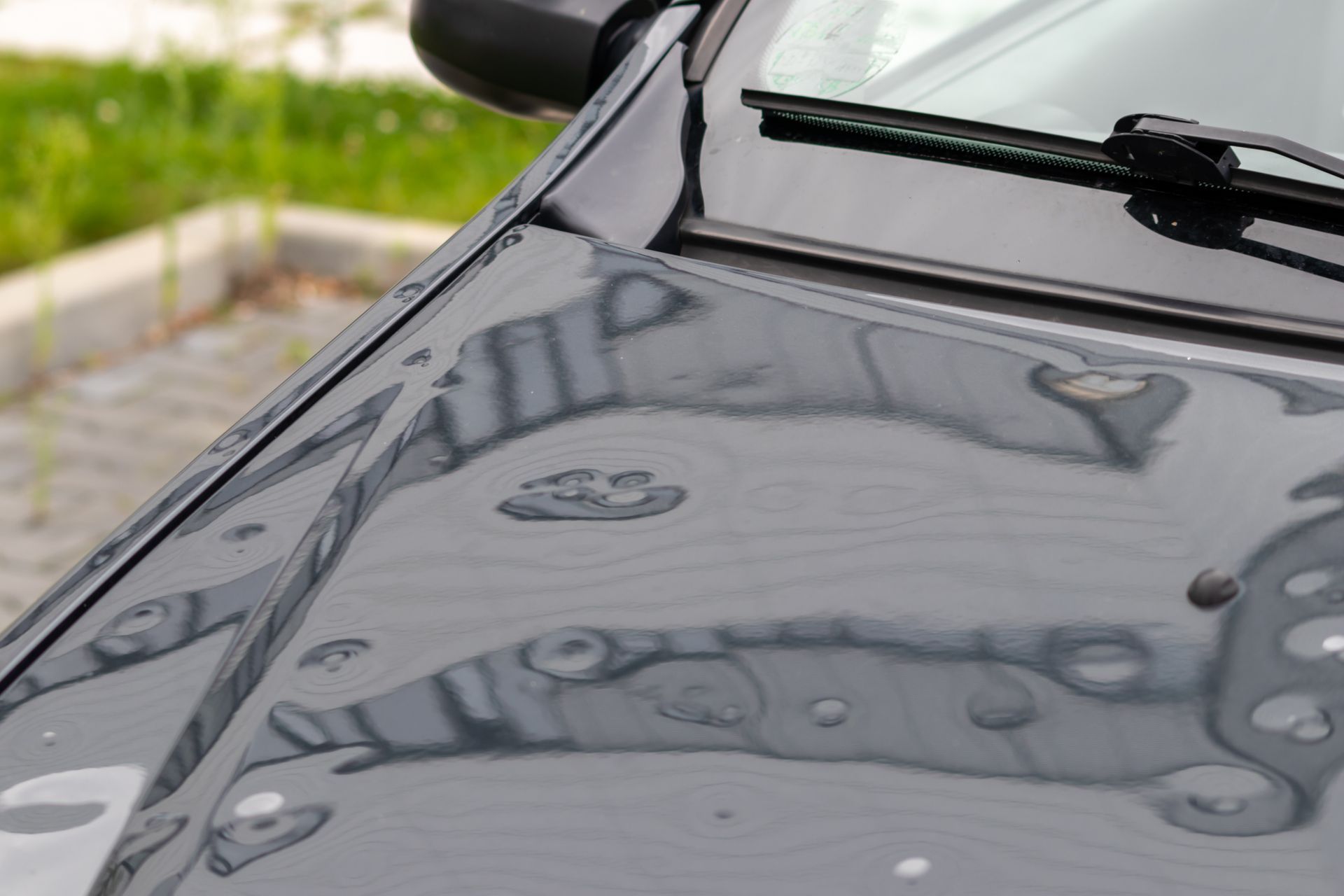
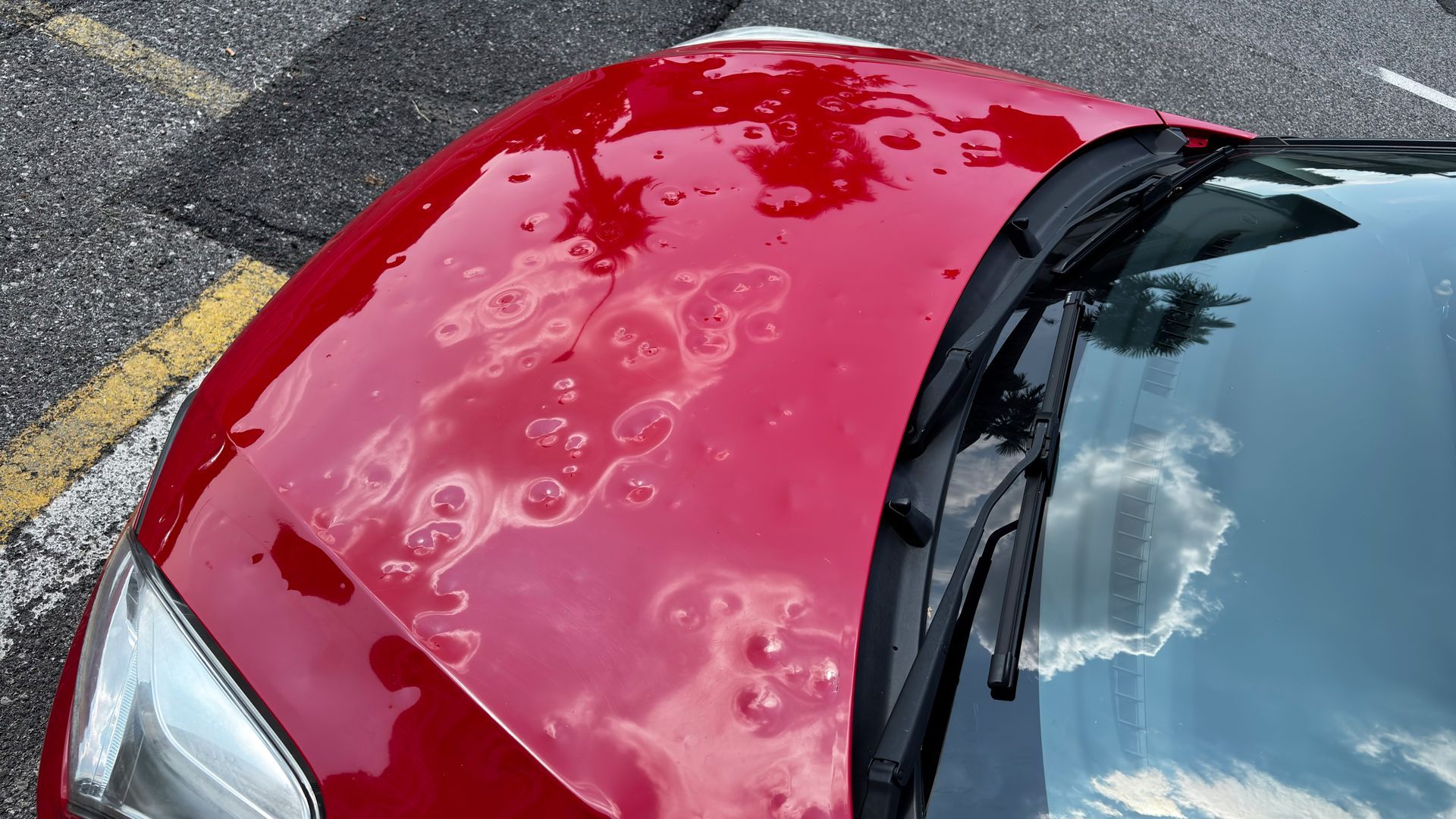
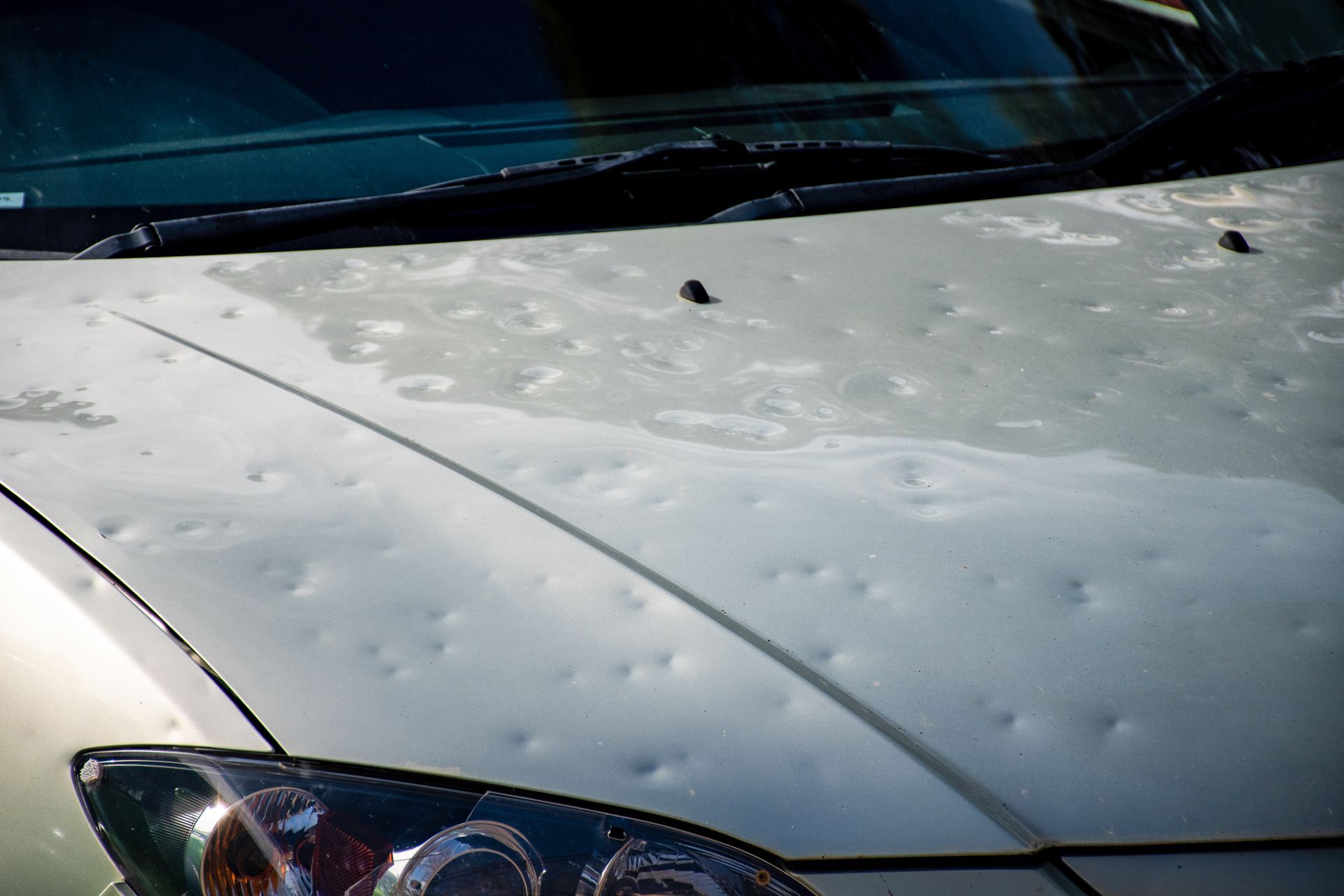
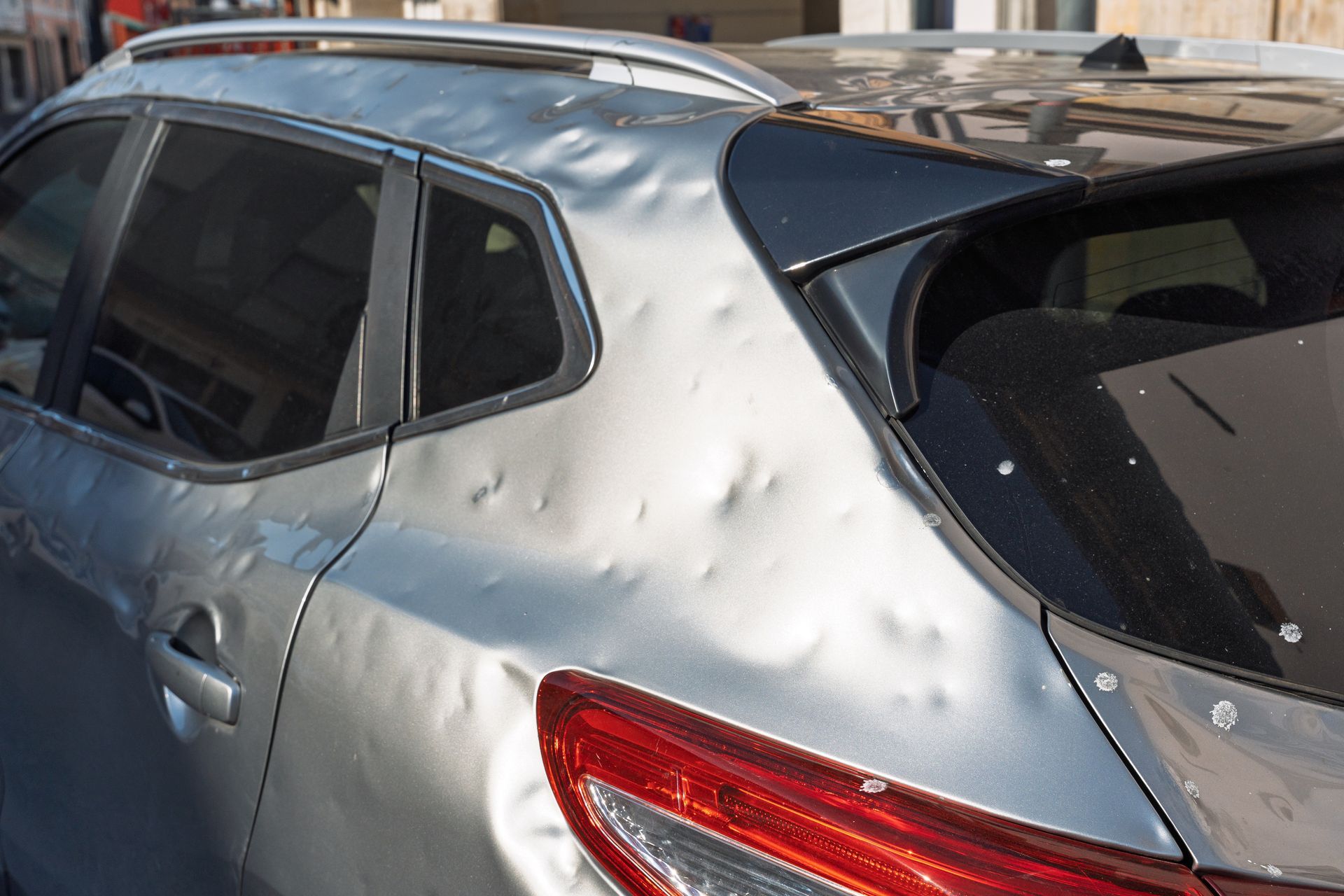
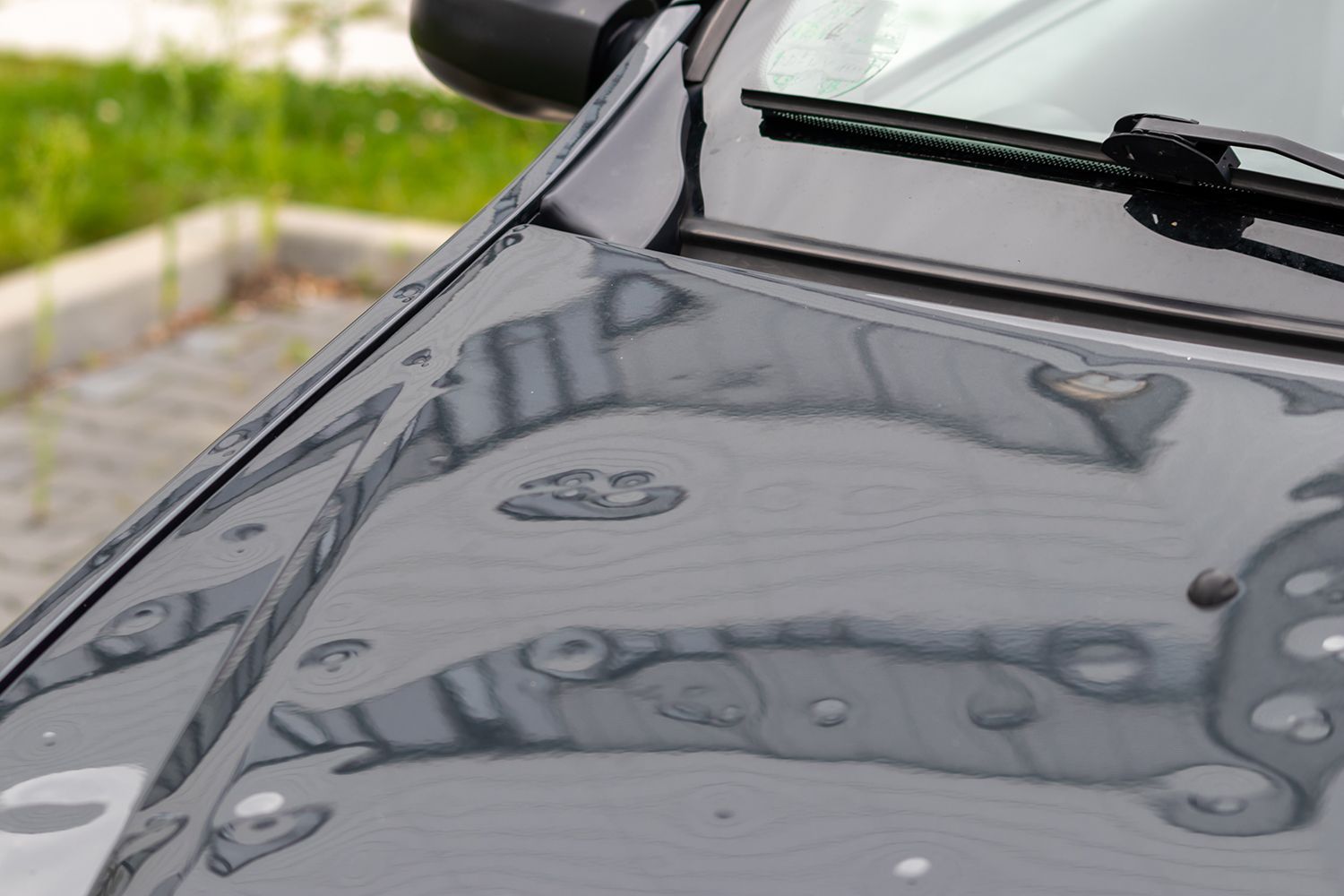
Small dents often look like shallow dimples or soft ripples in the metal. They tend to show best when light hits them at an angle, so a quick glance may not be enough. Morning and late afternoon sun are often the most revealing times to look, because low light rakes across the panels and exposes subtle depressions that disappear under overhead light.
Start With the Roof Edges and Hood
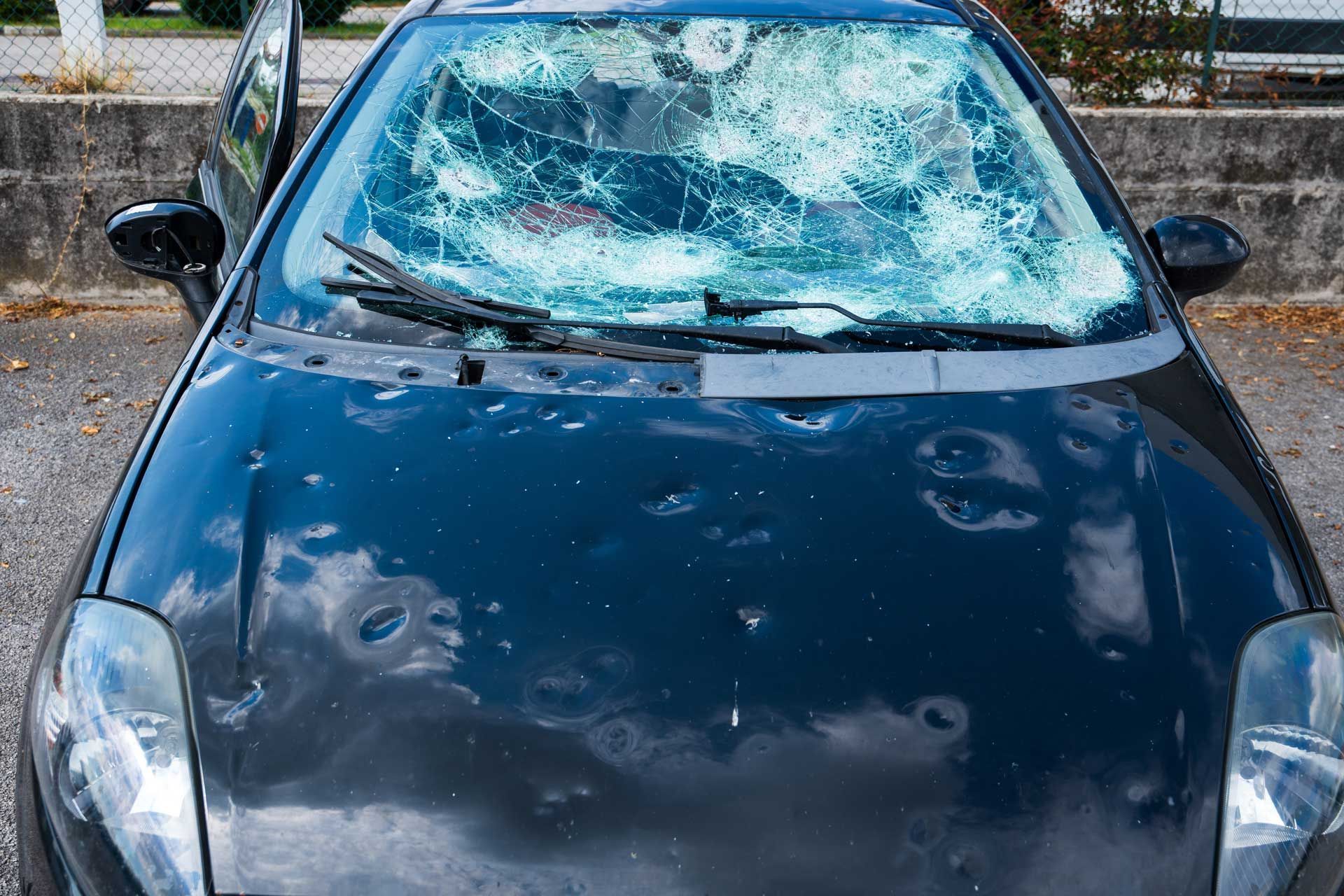
The roof edges and hood are among the first places to check after a hailstorm. Vehicle hail damage often starts on the highest surfaces, which catch hail before the lower panels do. The roof edges, including the strips above the windshield and rear window, are easy to overlook. Run your fingertips along these edges, since a dent here can be hard to see but easy to feel. On the hood, look at the center first, then work outward toward the corners, where dents sometimes hide near the seams and emblems.
Stand a few feet back from the hood and sight along its length as if you were lining up a shot. Ripples that look flat from directly above can become obvious from this angle.
Check the Trunk Lid and Spoiler
Trunk lids, rear decklids, and spoilers are another common target. Many of these panels are wide, flat, and thin, which makes them vulnerable to hail. Spoilers can be especially tricky because their curved shapes hide small dings along the edges and undersides. Open the trunk and check the inside of the lid as well, since some dents push the metal outward in ways that show up as bulges or soft spots from below.
Rear bumpers and the area around the license plate frame also deserve a look. Plastic bumpers may crack rather than dent, so run your hand over any seams or mounting points to feel for loose or misaligned sections.
Look at the Side Panels and Doors
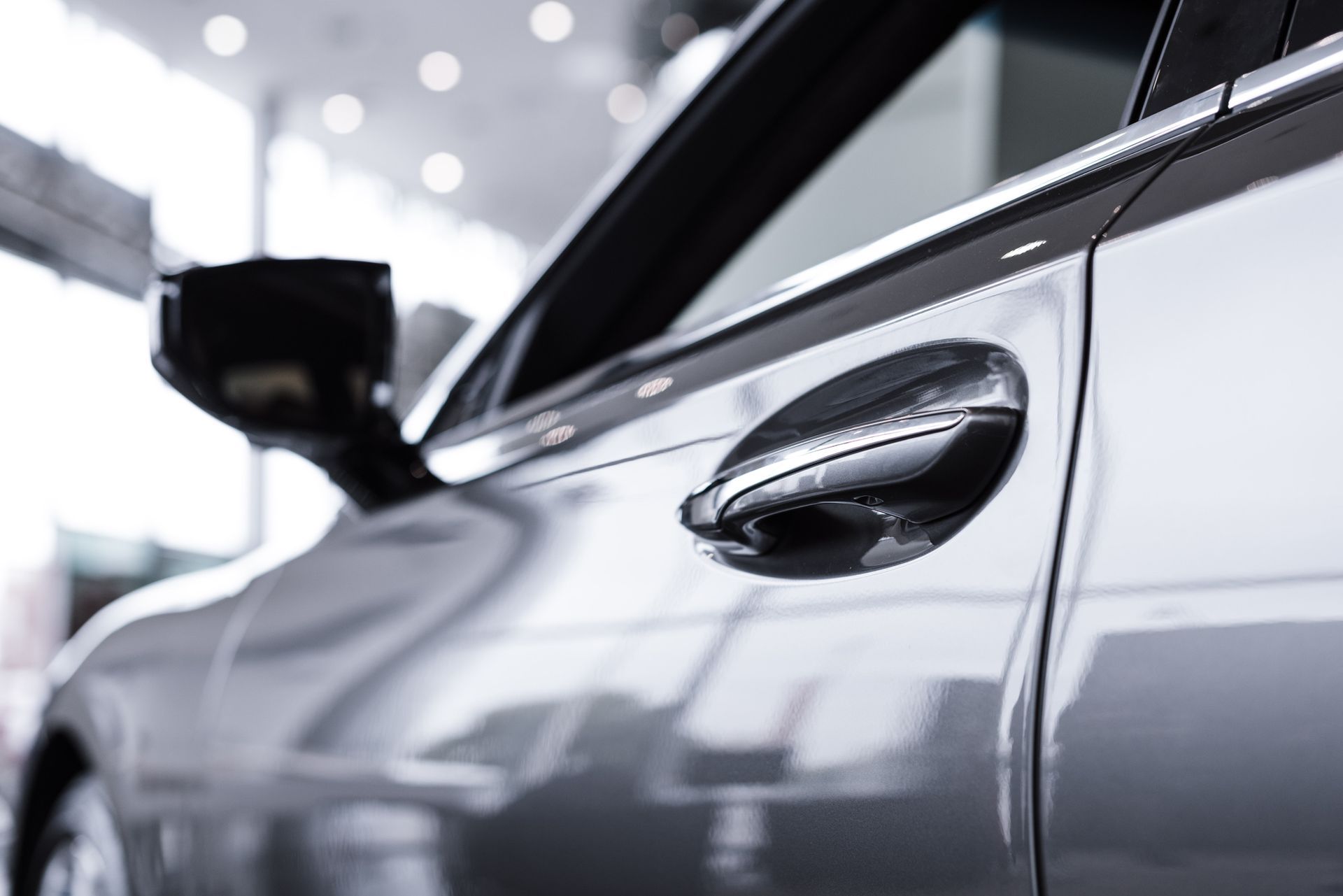
Side panels take a surprising amount of hail, especially on vehicles parked in open lots or driveways without cover. vehicle hail damage on doors, quarter panels, and the area just above the wheel wells is worth examining closely. Door tops and the strip along the upper body line often show dents that are shallow but numerous. Work in a systematic pattern, moving from one panel to the next so no section gets skipped. Taking photos with your phone from a low angle can also help you compare details later and document the condition for an insurance claim.
Inspect Glass, Mirrors, and Trim
Glass is more fragile than metal, and cracks or chips may appear in the windshield, sunroof, or rear window after a hailstorm. Look for small star-shaped chips or lines that spread from a central point. Side mirror housings, antenna bases, and chrome or plastic trim can also be damaged. A cracked mirror cover or loose trim piece may seem minor, but it can be costly to replace, and it may signal that more damage lies underneath. vehicle hail damage to glass and trim is often the first clue that the metal panels also need a closer look.
Use Good Light and Take Your Time
Careful inspection takes patience. Park the car in shade or indirect light when possible, and avoid rushing through the process in a single pass. Some drivers use a flashlight held at a low angle to reveal dents in dark or glossy paint. Clean the surface before you inspect it, since dirt, water spots, and road grime can hide small imperfections. If you notice dents on multiple panels, that is a strong sign the storm was severe enough to warrant a professional assessment.
When to Get a Professional Assessment
Our technicians can often spot damage that is hard to see from the driveway. Our experienced inspectors know where hail typically lands and how to read reflections on curved panels. We can also estimate repair costs and advise whether paintless dent repair is an option, which often preserves the original factory paint. If you are unsure whether your vehicle was affected, scheduling a free inspection is a simple way to get clear answers before you file a claim or delay repairs. Early attention can prevent small dents from becoming bigger problems.
Schedule Your Vehicle Hail Damage Inspection in Denver, CO
Hail damage can stay hidden for weeks, so early attention matters. At Elevate Hail & Dent, we serve drivers throughout Denver, CO, and we are ready to check your roof edges, trunk lid, glass, and trim. Call us at
844-766-4245 now for a free inspection. Or
send us a message to get started today. You can also view our reputation and customer feedback by visiting our
Google Business Profile to see why Denver drivers trust us for their vehicle hail damage needs.