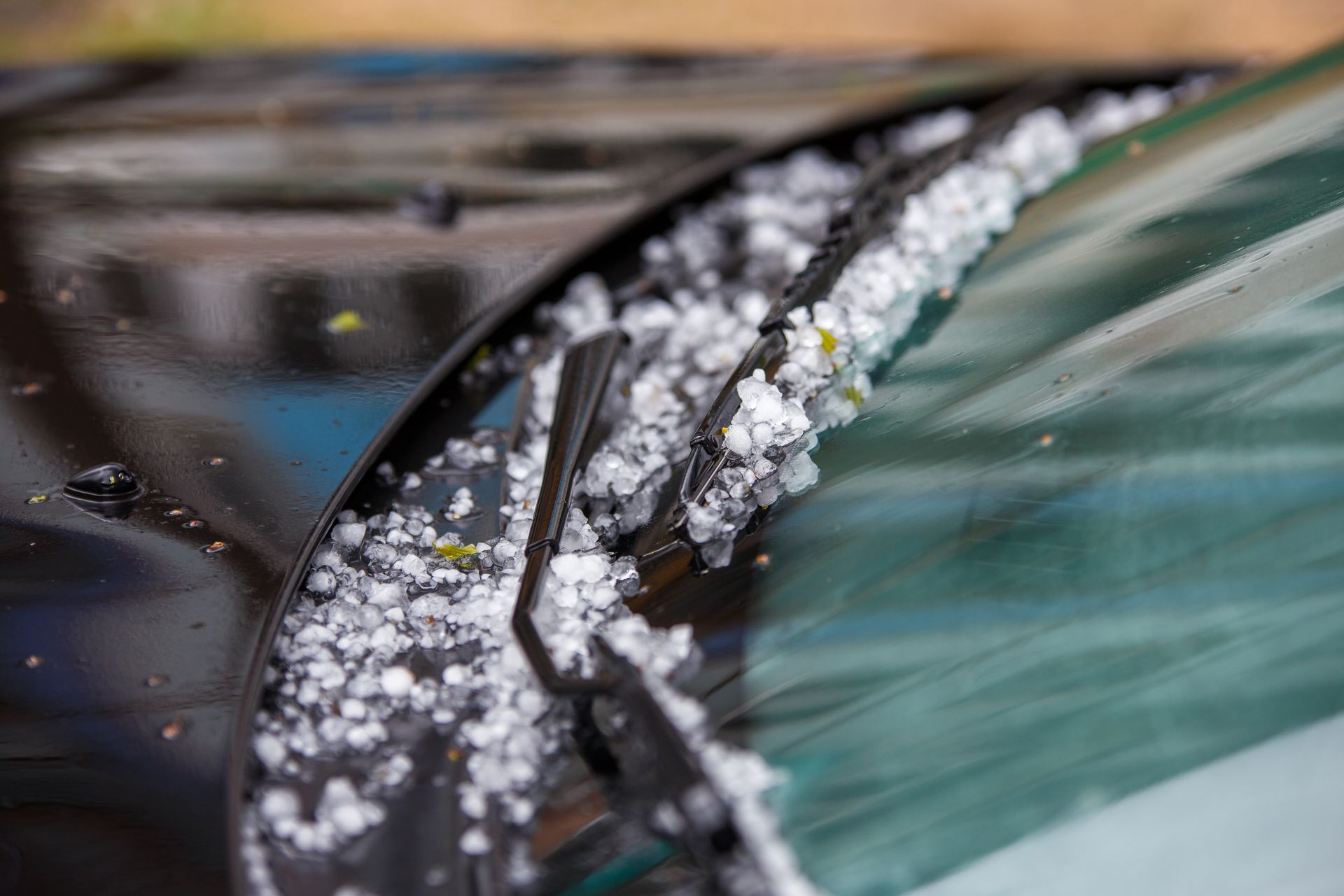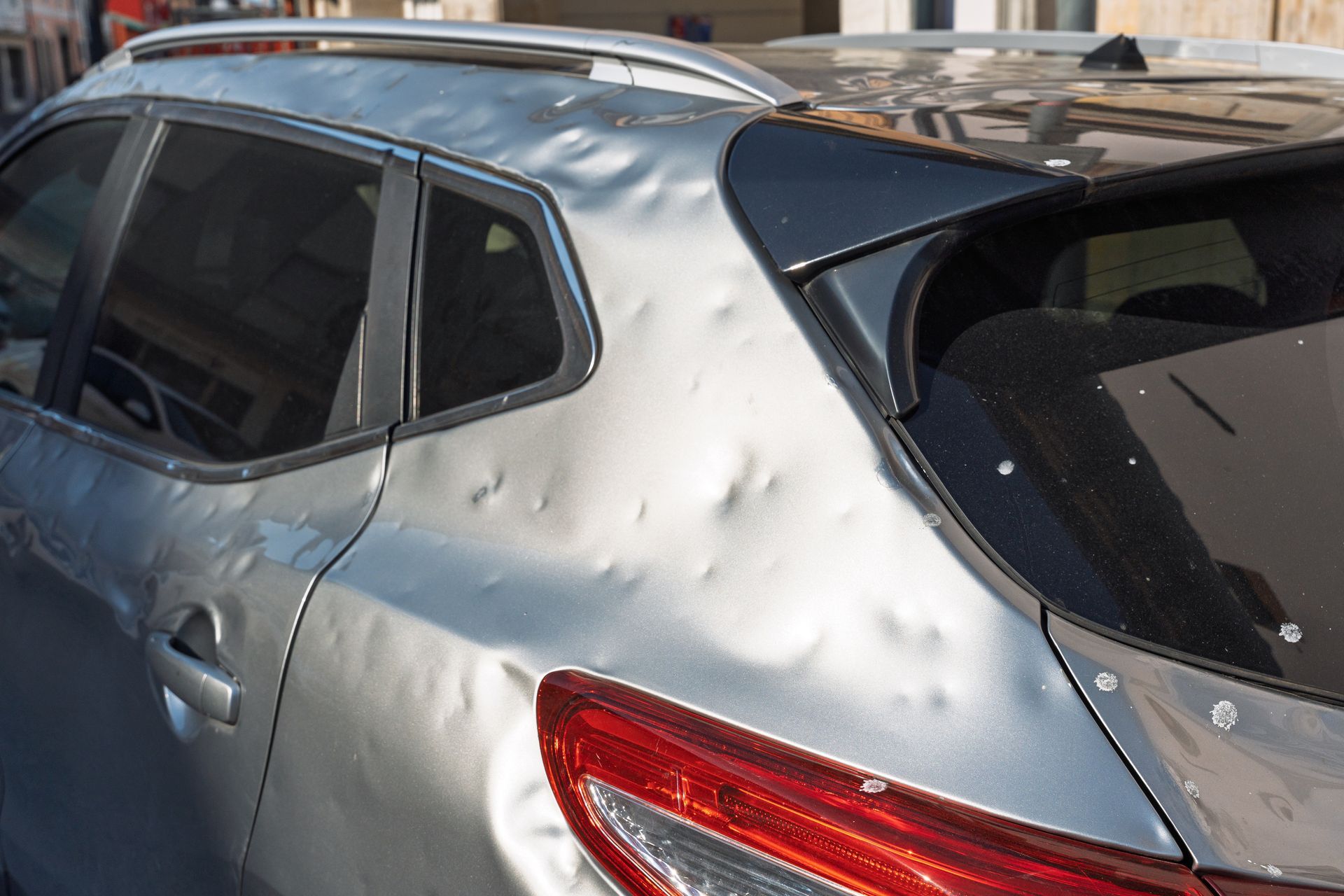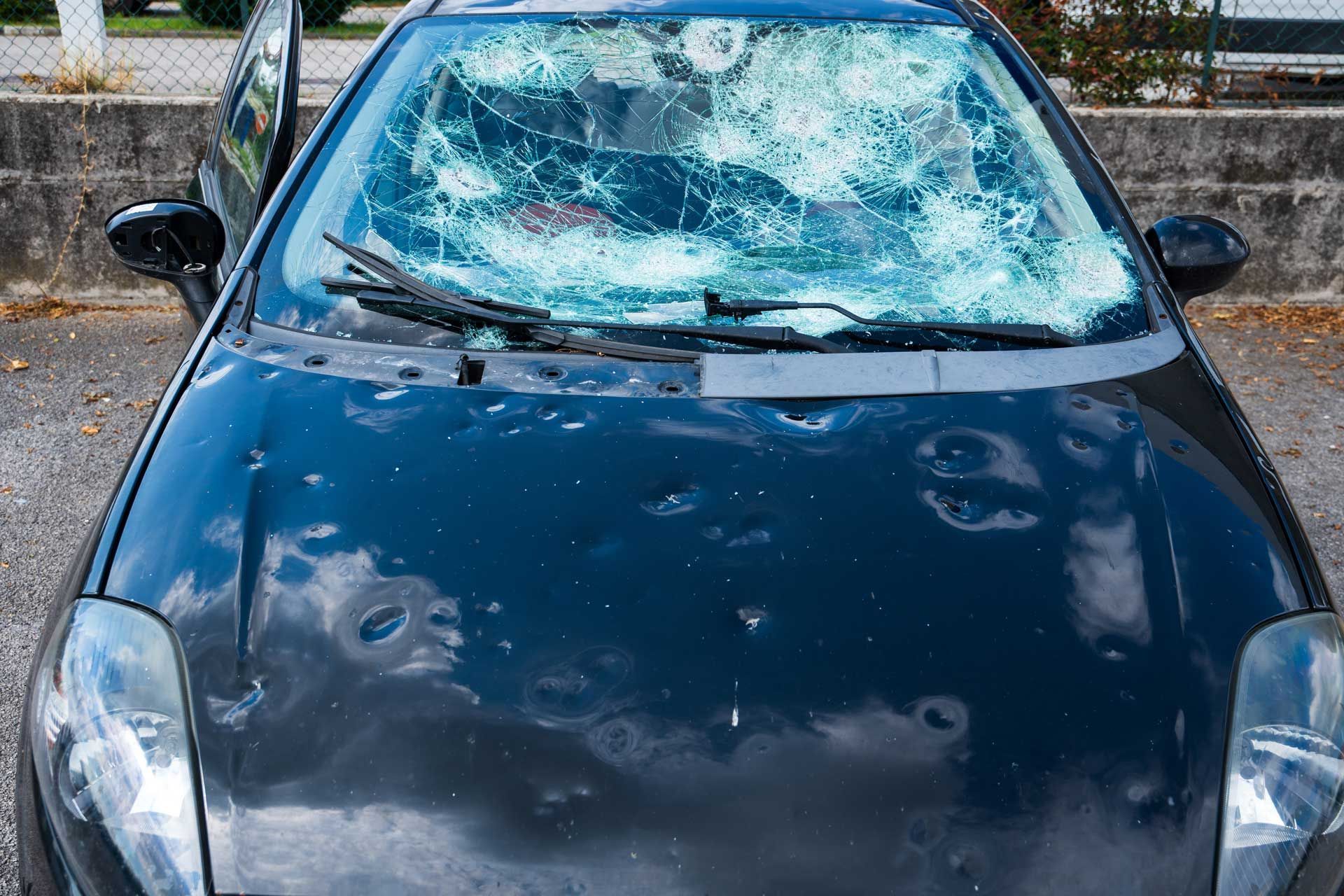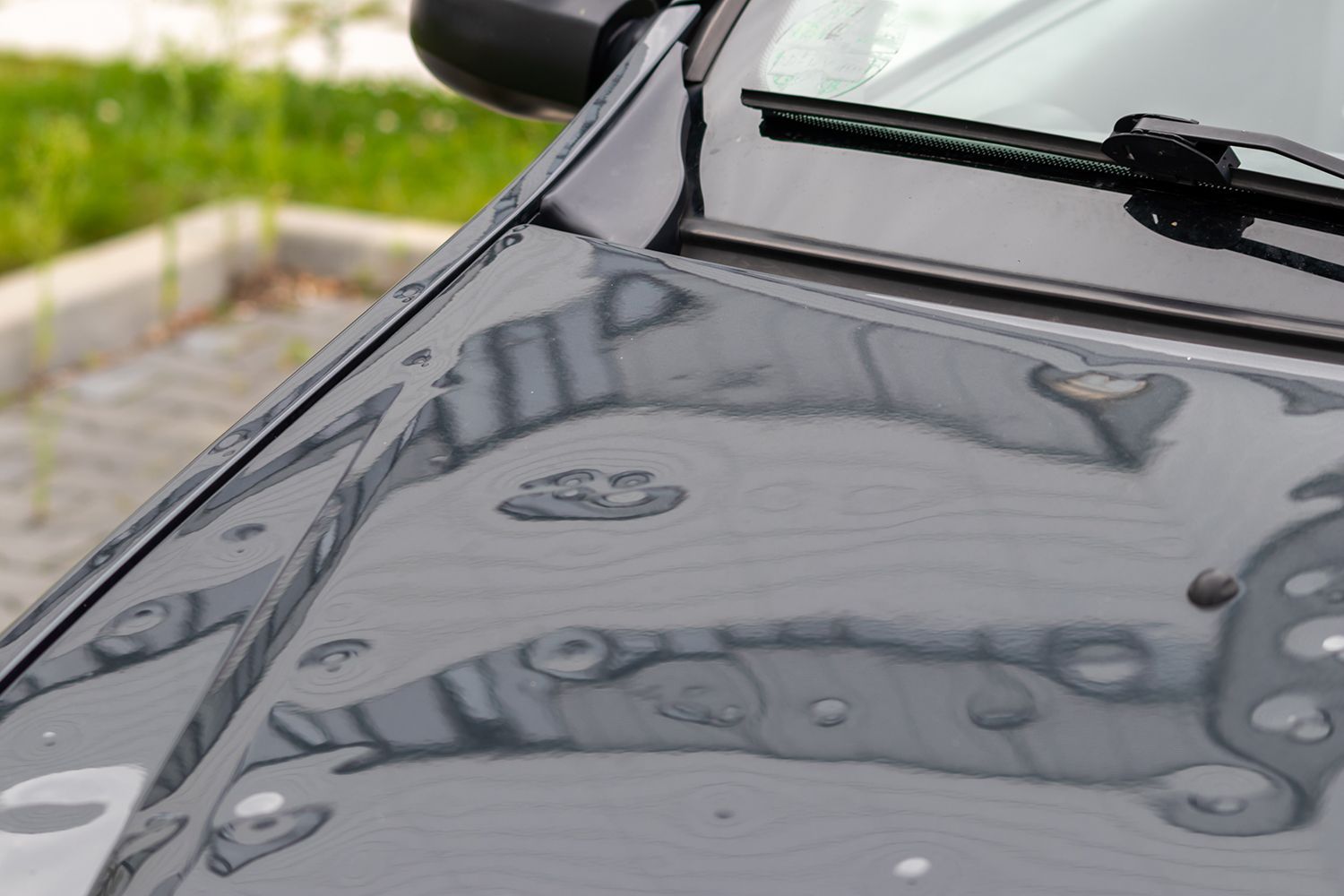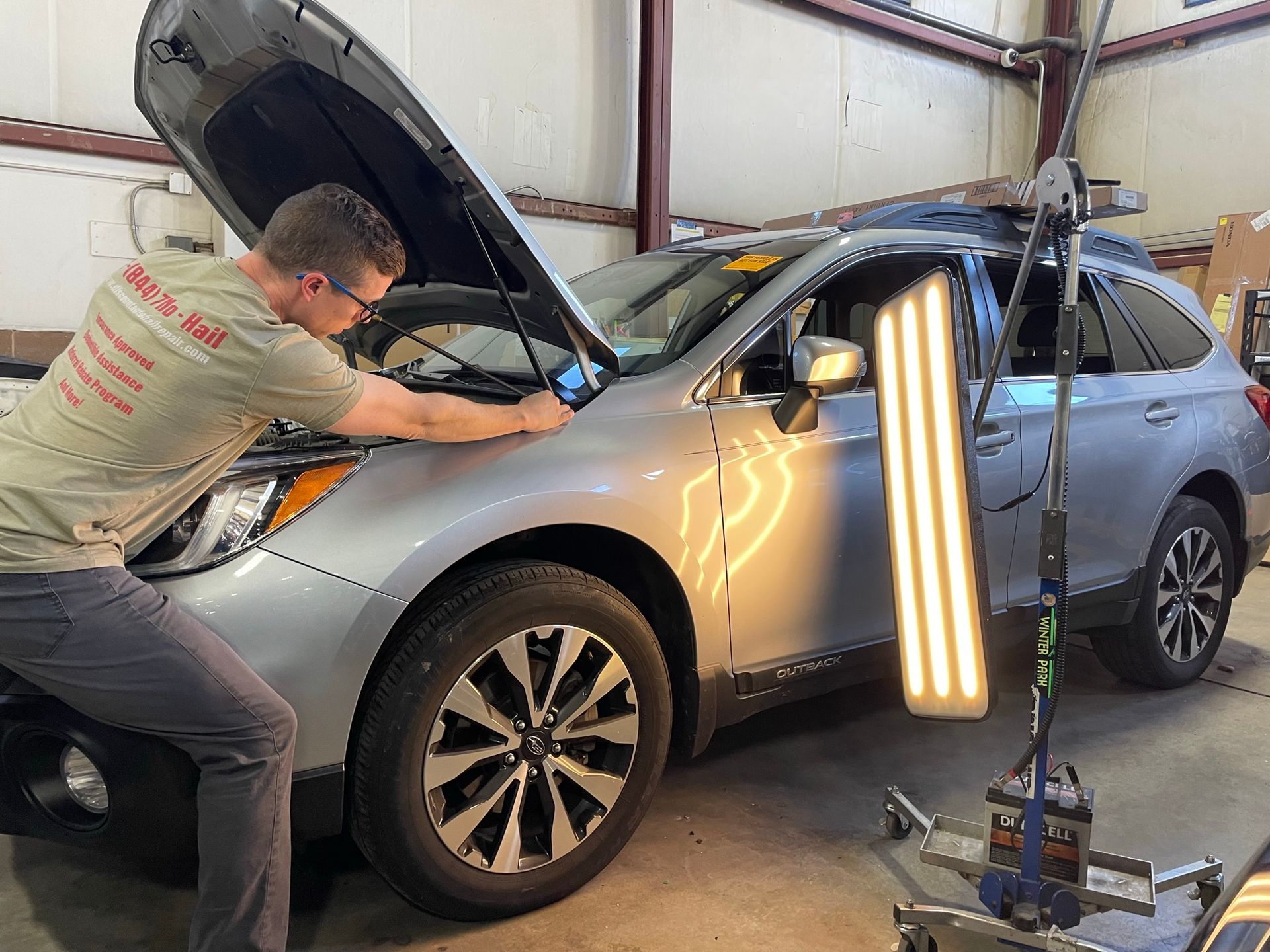
Filing an auto hail repair insurance claim in Colorado can feel confusing, but knowing the right steps makes the process much smoother. Denver, CO, sits squarely in what storm experts call "Hail Alley" and averages three to five significant hail events per year, meaning drivers here are more likely than most to need this guide. If your vehicle was recently hit and you need auto hail repair, here is exactly what to do.
Step 1: Document the Damage Right Away
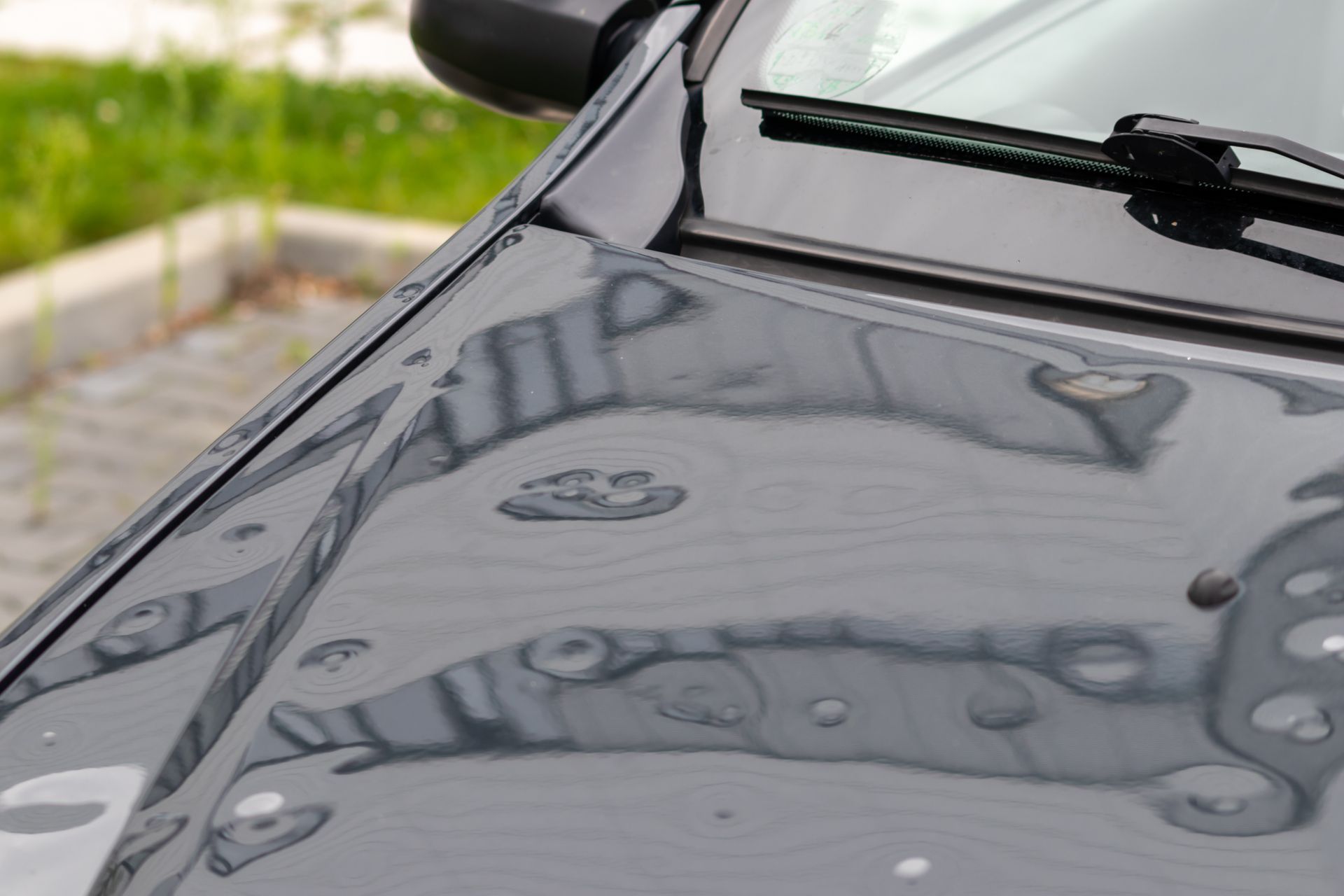
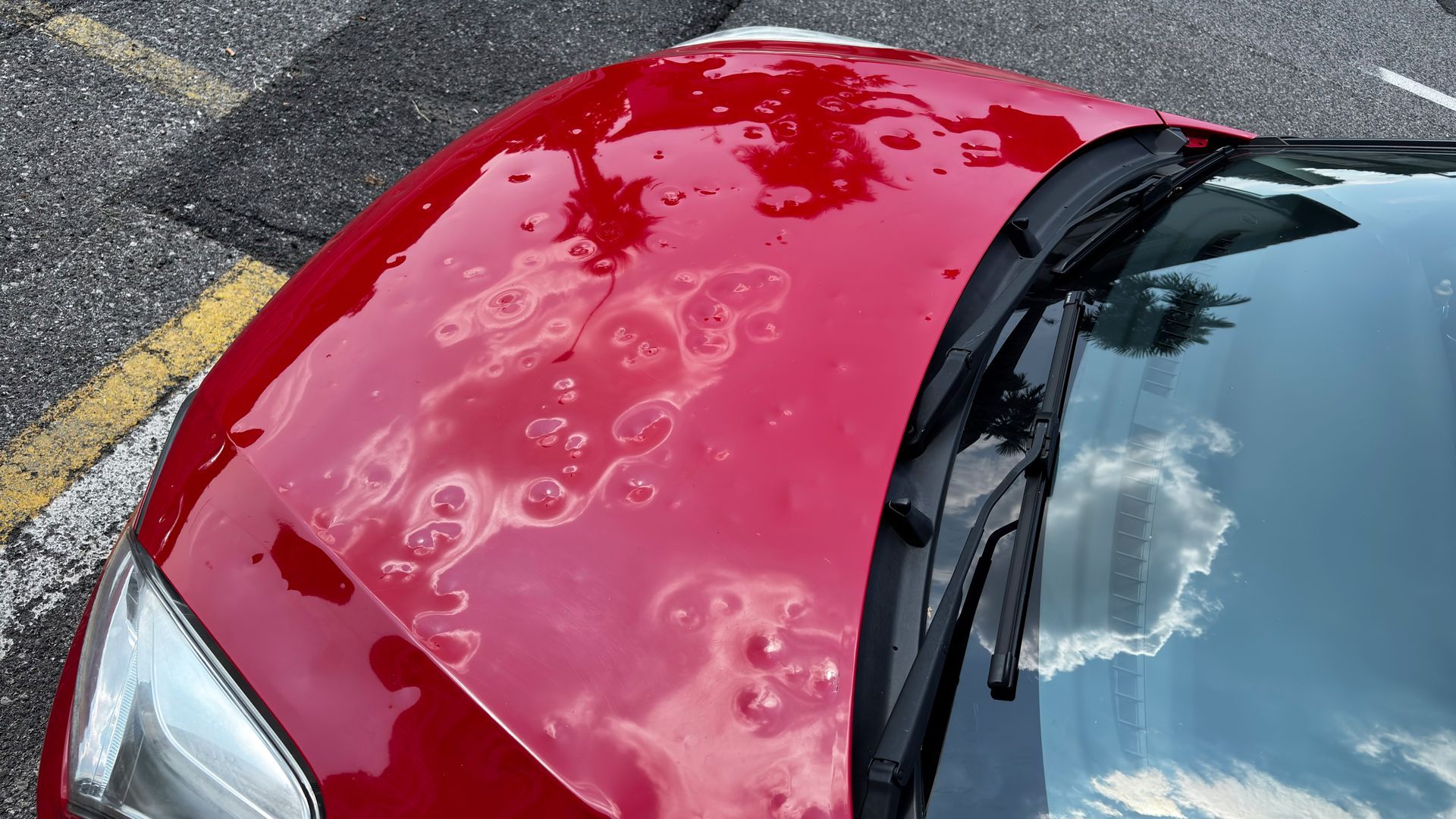
Take photos and video before you do anything else. Photograph every panel, including the hood, roof, trunk, doors, fenders, and mirrors, from multiple angles in good lighting. A shaded area or golden hour makes dents easier to see on camera. Also write down the storm date, approximate time, and where your vehicle was parked. This documentation protects you if your insurer's adjuster misses damage during their assessment.
Step 2: Check Your Coverage Before You Call
Hail damage is only covered if you carry comprehensive coverage, also called "other than collision." Liability-only policies do not cover hail. If you lease or finance your vehicle, your lender likely already requires comprehensive coverage. Check your declarations page and note your deductible amount, since that figure helps you decide whether filing makes financial sense for the extent of damage you have.
Does Filing a Hail Claim Raise Your Insurance Rates in Colorado?
The answer is reassuring. Hail falls under the comprehensive portion of your policy, which is "no-fault" coverage. Because hail is an act of nature, filing a comprehensive claim typically will not raise your premiums the way an at-fault collision claim would. Colorado also prohibits rate hikes on comprehensive claims under CRS §10-4-628, a meaningful protection for Front Range drivers who may face multiple storm seasons.
Step 3: File Your Claim With Your Insurer
Contact your insurance company as soon as your documentation is ready. Call the number on the back of your insurance card and let them know you need to file a comprehensive claim for hail damage. The representative will ask for your policy number, the storm date, your vehicle's location during the storm, and a general description of the damage. You will receive a claim number, so write it down and keep it handy. Most major insurers also offer online portals and mobile apps for faster filing.
Step 4: Meet the Adjuster and Review the Estimate
Your insurer will schedule an adjuster to inspect the vehicle, either in person or virtually. Walk the adjuster through every dent and show them your photos, since adjusters can sometimes miss panels or undercount dents on complex body shapes. After the inspection, take your vehicle to an auto hail repair specialist and compare their estimate against the adjuster's. If the specialist finds additional damage, your shop can work directly with the insurer to supplement the claim.
Step 5: Choose Your Own Repair Shop
Under Colorado law, you have the legal right to choose any licensed auto body shop for your hail damage repair. Your insurer cannot deny your claim, delay your repair, or reduce your coverage because you chose an independent shop. Insurer-preferred shops may prioritize speed and volume over quality, so this right matters.
Paintless dent repair, or PDR, is the method most auto hail repair specialists use for hail damage. It restores dented panels without filler or repainting, preserving your vehicle's factory finish and resale value. Visit our insurance claim assistance page to see how to notify major carriers of your chosen shop.
What to Expect for Repair Timelines in Denver
After a large storm, auto hail repair shops across the Denver metro can get backed up quickly. Filing promptly helps you secure an earlier appointment, and it is generally advisable to file within 60 days of the storm. Most PDR repairs take a matter of days for moderate damage, though heavily affected vehicles may take longer. Review our paintless dent repair timeline guide for a closer look at what the process typically involves.
Does a Hail Claim Affect My Driving Record?
No. Comprehensive claims do not penalize your driving record or raise your individual premiums.
What If My Car Is Declared a Total Loss?
If repair costs exceed a certain percentage of your vehicle's value, your insurer may declare it a total loss, which is more common with older vehicles or severe damage. You do have options under Colorado's rules. Learn more about how total loss works if you are concerned this may apply to your vehicle.
Do I Need an Estimate Before I File?
No. Just report what you observed when you first contact your insurer. You can obtain an estimate from a PDR specialist after the claim is open.
Get Expert Help With Your Hail Claim in Denver
Navigating the insurance process after a storm does not have to be stressful. Elevate Hail & Dent Repair, serving Denver, CO, and surrounding communities, offers full insurance claim assistance alongside professional auto hail repair. The team can help you understand your estimate, communicate with your insurer, and restore your vehicle using proven PDR techniques backed by a lifetime warranty.
Call
844-766-4245 to schedule a free consultation, or
contact the team online to get started today. Acting sooner protects your vehicle's value and keeps the claims process straightforward.