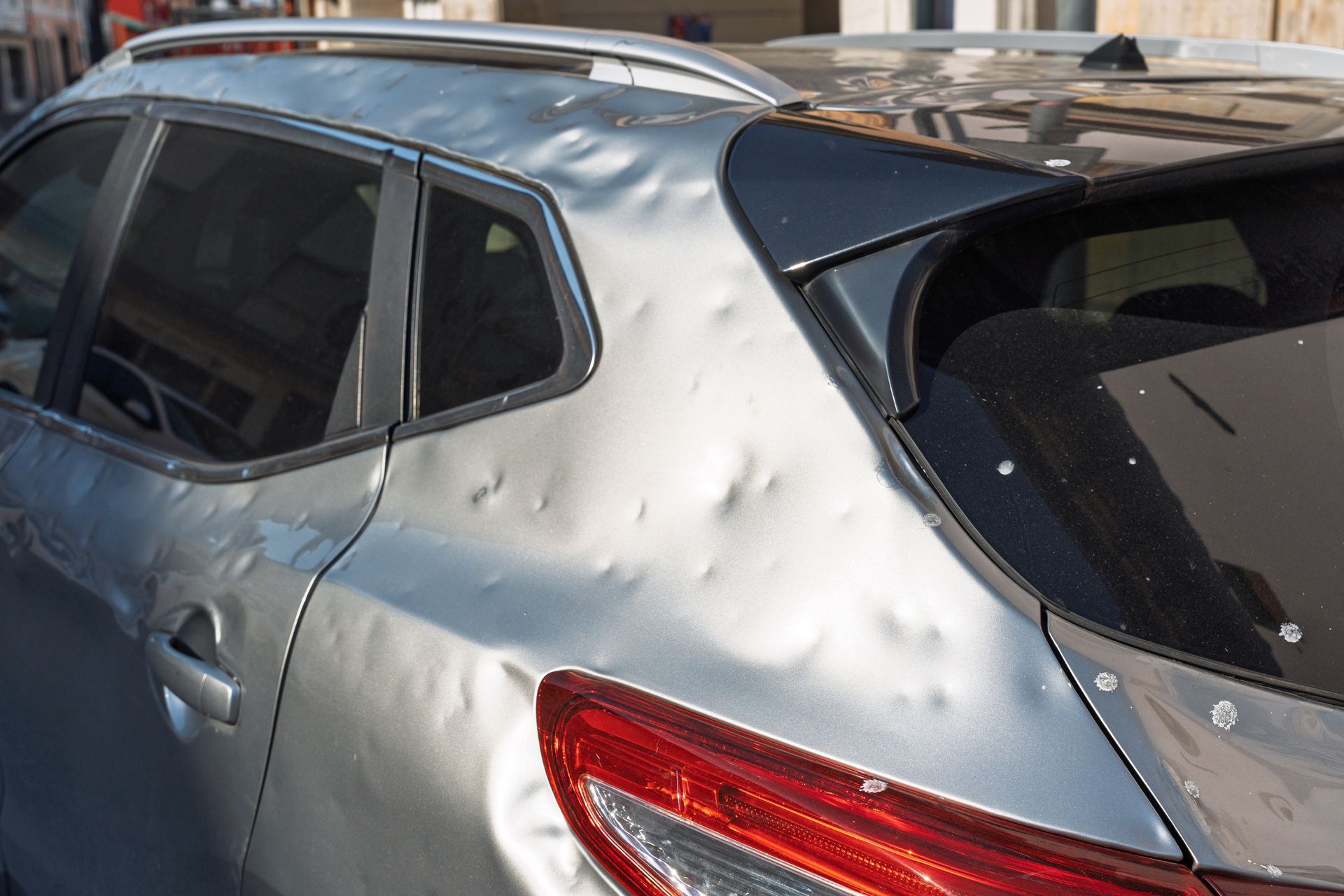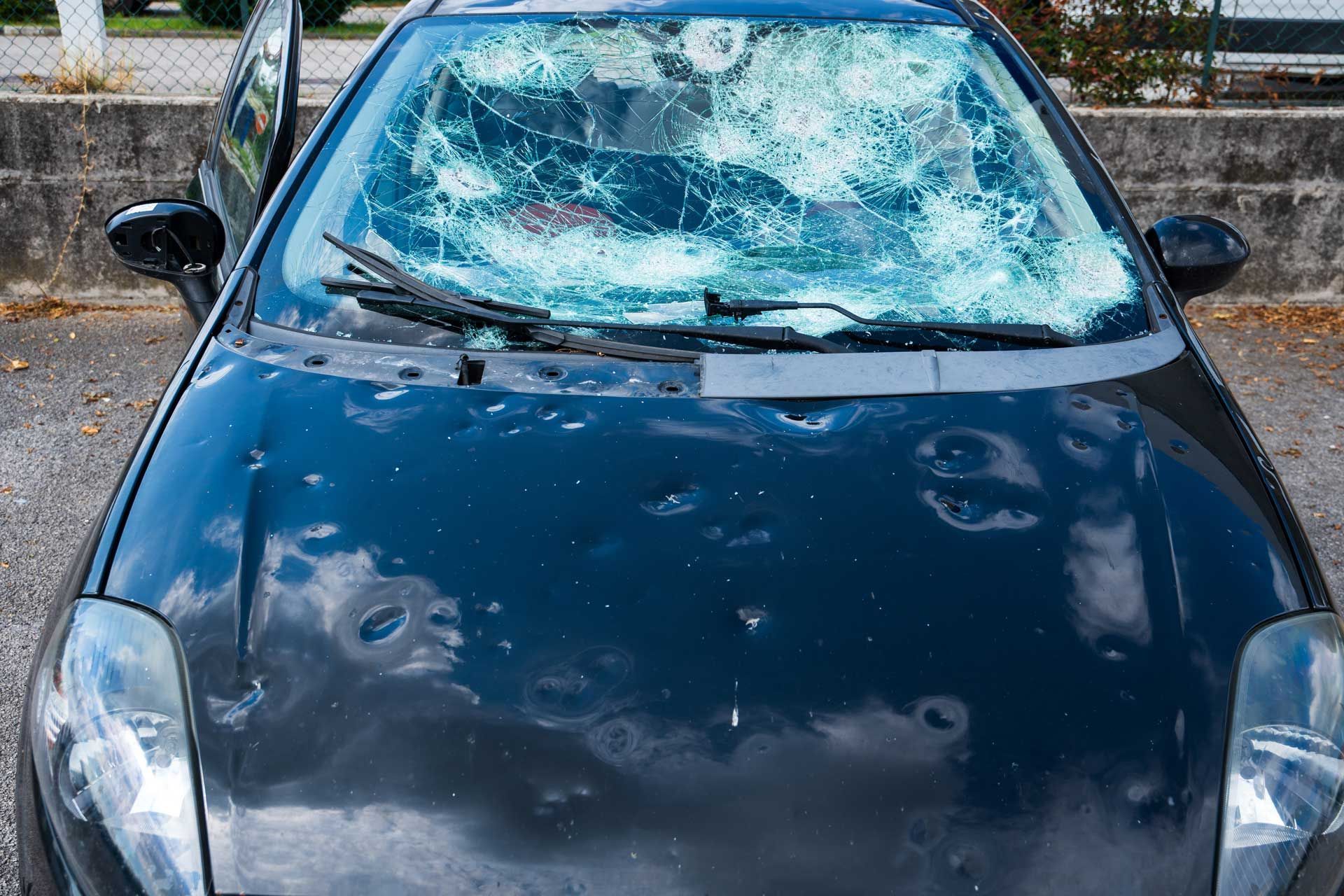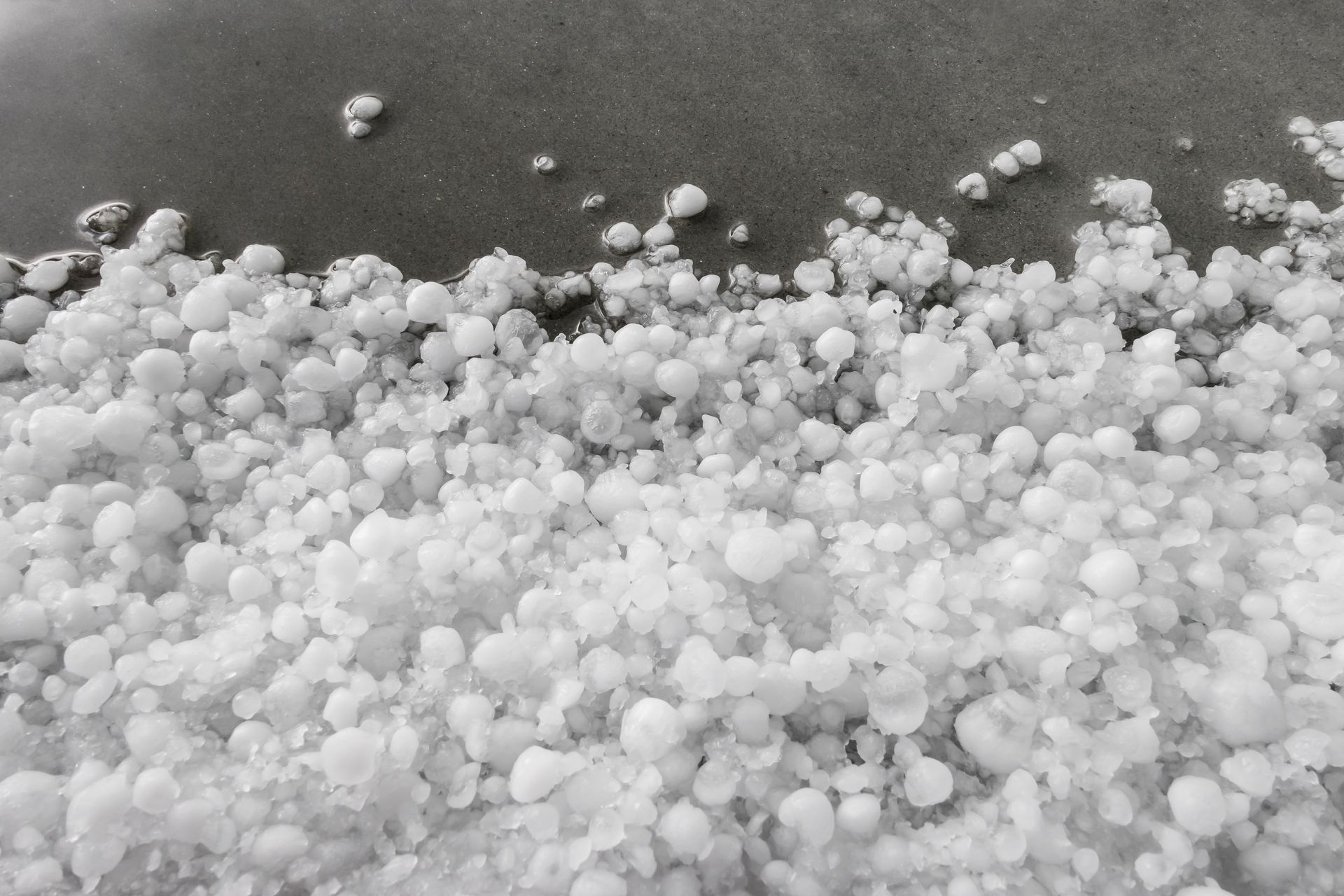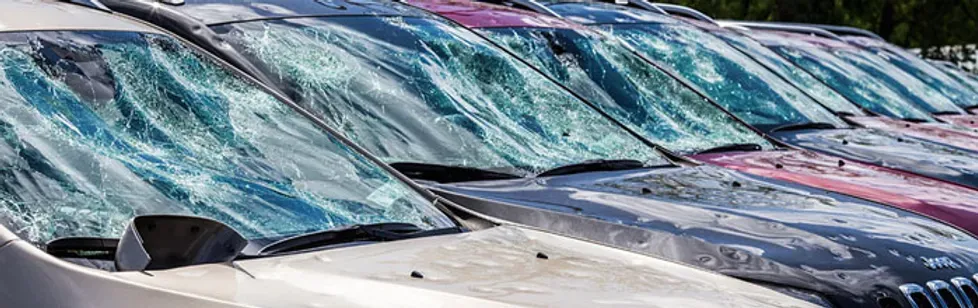
Colorado hailstorms don’t mess around. And after one hits, most vehicle owners end up hearing a mix of opinions about what should happen next.
“Should I do PDR?”
“Do I need a new hood?”
“Is it better to repaint it?”
It sounds like you’re supposed to choose.
You’re not.
You’re Not Choosing the Repair Method — You’re Choosing the Shop
One of the biggest misunderstandings in hail repair is this idea that the customer decides between PDR and traditional body repair.
That’s not how it works.
Insurance companies write the estimate based on what’s most cost-effective and appropriate for the damage. The shop then determines the correct repair approach based on the condition of the vehicle.
The customer’s job isn’t to pick the method.
It’s to pick the shop.
Because the shop is the one making the decisions that actually impact:
- How your vehicle is repaired
- Whether original parts and paint are preserved
- How your claim is handled from start to finish
And not all shops approach that the same way.
What Paintless Dent Repair Is — and Why It Matters
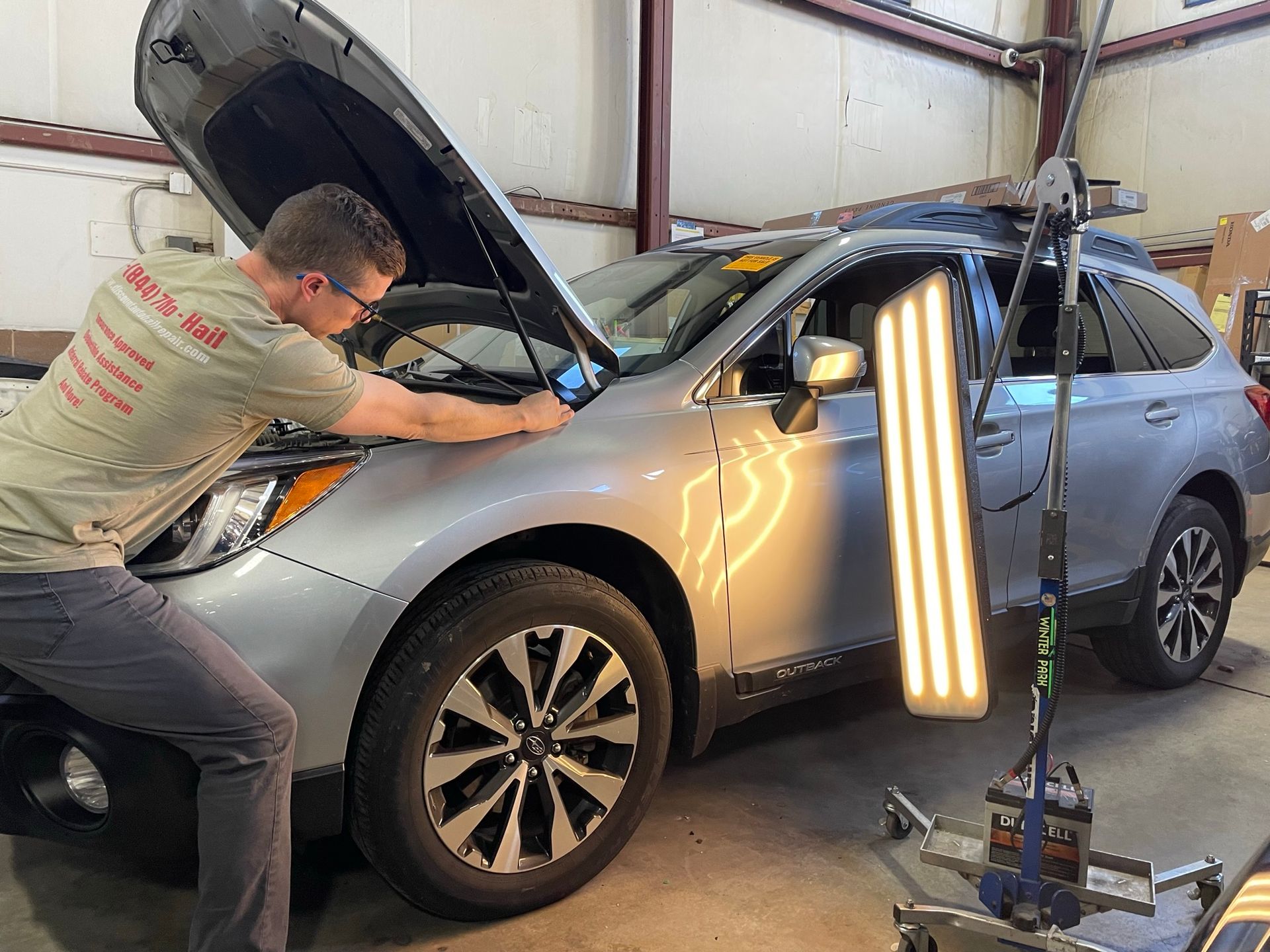
Paintless Dent Repair (PDR) restores damaged panels without repainting them.
Instead of grinding down the surface and covering damage, the metal is carefully worked back into its original shape from behind the panel.
If your paint isn’t broken, this matters.
Because your factory paint is the most consistent, durable finish your vehicle will ever have. Once it’s repainted, you’re no longer dealing with original — you’re dealing with a version of it.
Traditional Repair Has Its Place — But It’s Not the Default
Traditional repair typically follows one of two paths:
- Sand, fill, and repaint the existing panel
- Replace the panel, then paint to match
And sometimes, one of these is necessary.
If the paint is broken, the metal is too far gone, or the damage can’t be corrected through PDR, traditional repair is the right move.
But a lot of hail damage doesn’t fall into that category — and still ends up there anyway.
That’s where experience and decision-making at the shop level matter.
New Doesn’t Always Mean Better
One of the biggest misconceptions we see is this:
“If I replace the panel, that has to be better than repairing it.”
It sounds logical. It’s not always true.
A factory-installed panel with original paint is the best version your vehicle will ever have. Once that panel is replaced or repainted, you’re no longer working with that original standard.
Even high-quality refinishing comes with tradeoffs:
- Color can be extremely close — but not identical in all lighting
- Factory paint is more durable than aftermarket paint
- Repairs can be reported on vehicle history tools like Carfax
And once that happens, it can affect resale value — even if the work looks good.
PDR Isn’t Just the “Cheaper Option”
PDR is often viewed as the cheaper alternative to traditional repair — and in some cases, it is.
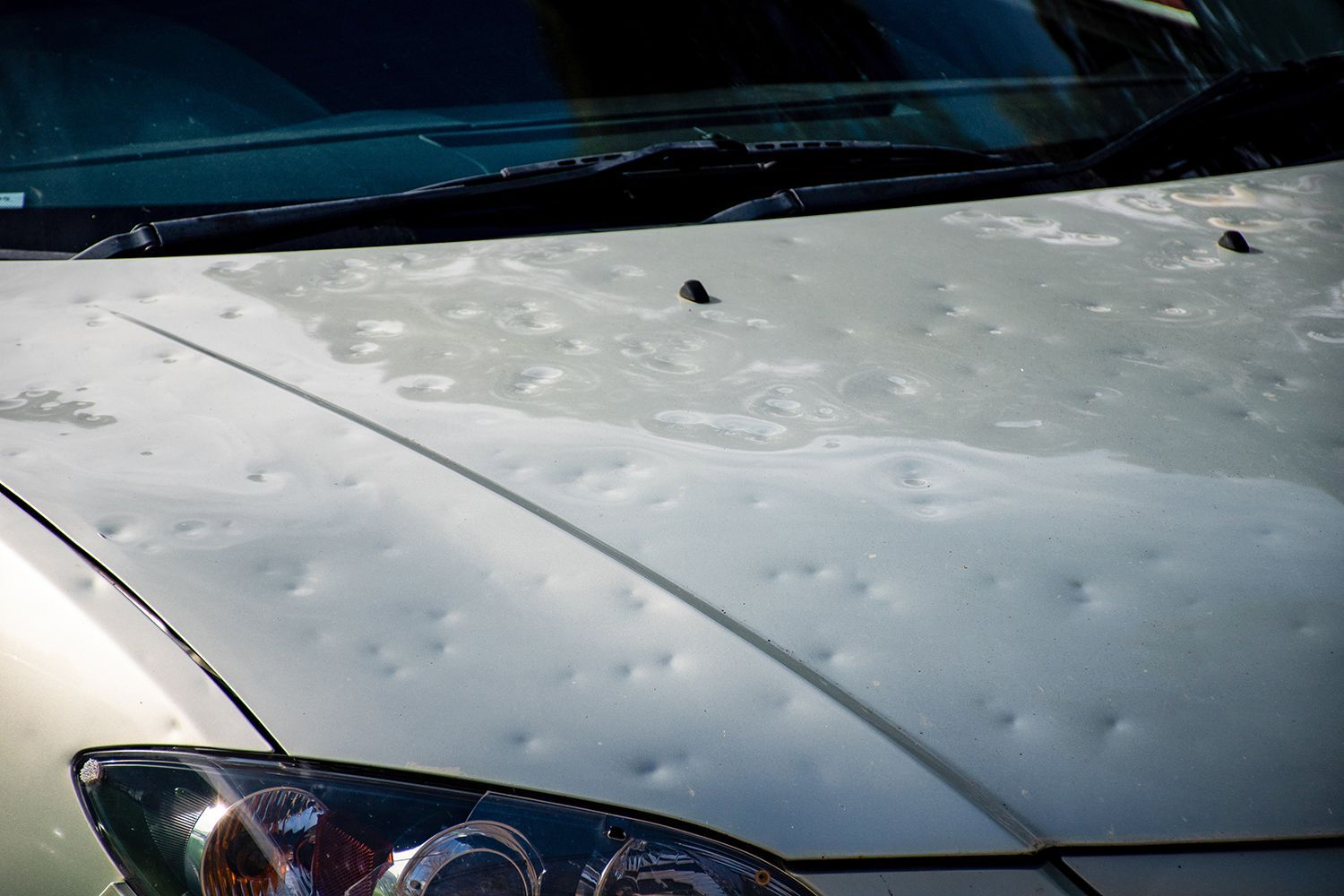
But hail damage rarely shows up as just a few dents.
When a panel has 100, 200, or even 300 dents, the time and precision required to repair it can bring the cost much closer to replacement.
And beyond cost, there’s a practical limit.
At a certain point, the density of the damage — and the strain it puts on the technician — can make repair the less effective option, even if the paint is intact.
That’s why the right approach isn’t about choosing the cheapest method.
It’s about knowing when each method actually makes sense.
Why PDR Is the Standard for Hail Damage
Most hail damage — especially in Colorado — is:
- Shallow
- Widespread
- Paint-safe
That’s exactly what PDR is designed for.
This isn’t the “budget option.”
It’s the
correct method for this type of damage.
That’s why most insurance companies already account for PDR in hail claims.
The real variable isn’t the method — it’s the quality of the shop performing it.
What Actually Determines a Good Repair
Most people focus on:
- Cost
- Turnaround time
- Convenience
But those don’t determine whether your vehicle is restored properly.
What actually matters:
- Whether your original paint is preserved
- Whether the metal is fully corrected — not just improved
- Whether the repair is done to a high standard — not just made to look good when you pick it up
That comes down to execution — not marketing.
Insurance and Timing: What Actually Slows Things Down
Insurance companies understand hail damage and PDR — that part isn’t the issue.
Where things get frustrating is timing.
Approvals can take anywhere from 1 to 6 weeks, depending on:
- The insurance carrier
- Time of year (especially during peak hail season)
- Claim volume during catastrophe events
And here’s the part most people don’t realize:
A storm in another part of the country can affect your timeline.
If a major fire, flood, or hurricane hits elsewhere, insurance companies often reallocate their catastrophe (CAT) teams to those areas. That can slow down approvals — even if your hailstorm happened weeks or months earlier.
That delay isn’t specific to your vehicle or your claim. It’s a result of how insurance companies manage large-scale events.
What Happens After Approval
Once a claim is approved, the actual repair process is usually much faster.
In most cases:
- PDR repairs take 3–7 days, depending on severity
Even with insurance delays, that’s still significantly less time than traditional body repair, which can take much longer due to:
- Panel replacement
- Paint work and curing time
- Additional labor steps
And it’s important to understand:
👉 The insurance approval timeline is the same either way
Whether the vehicle is repaired with PDR or traditional methods, you’re still waiting on that initial approval.
Choosing the Right Shop for Hail Damage
When it comes to hail repair, the most important decision you’ll make isn’t the method.
It’s the shop.
And in most cases, repair facilities fall into two general categories:
1. Bodywork-First Shops
These shops specialize in traditional body repair — sanding, filling, repainting, and panel replacement.
Most will have a PDR technician on-site or available, but PDR typically isn’t their primary focus.
Because of that:
- The volume of PDR work may be lower
- Technicians may only repair what the shop routes to them
- There’s less opportunity to refine high-level PDR skill over time
To be clear — there are plenty of strong body shops that take a thoughtful approach and use PDR where it makes sense.
But there are also cases where:
- Panels are replaced that could have been repaired
- Repainting is used more often than necessary
Not out of bad intent — but because that’s the core of how those shops operate.
These shops are also handling collision work alongside hail claims, which means your vehicle may be in line with a broader range of repairs.
2. PDR-First Shops
PDR-first shops specialize in paintless dent repair — it’s the primary service, not an add-on.
That usually means:
- Higher volume of hail damage repair
- More refined PDR skill and consistency
- A stronger focus on preserving original panels and paint
Many of these shops either:
- Have an in-house paint/body department
- Or work with trusted partners when traditional repair is necessary
In areas like Colorado, where hail damage is frequent, this type of shop often has a deeper level of experience with this specific kind of repair.
The Difference Comes Down to Approach
A PDR-first shop will typically:
- Repair what can be repaired
- Replace only what actually needs to be replaced
A bodywork-first shop may:
- Lean more toward replacement and refinishing
- Use PDR more selectively
Neither approach is automatically right or wrong.
It depends on the damage — and more importantly, the judgment of the shop.
What to Watch For
Not all shops — in either category — operate at the same level.
With PDR-first shops, potential concerns can include:
- Inexperienced or inconsistent technicians
- Temporary or “storm-chasing” operations
- Shops that try to push PDR beyond where it makes sense
With bodywork-first shops, concerns can include:
- Over-reliance on replacement and repainting
- Less emphasis on preserving original panels
A Good Shop Knows When to Do Both
The best outcome doesn’t come from forcing one method.
It comes from using the right combination of methods based on the vehicle.
A reputable shop will:
- Use PDR where it makes sense
- Use traditional repair where it’s necessary
- Be upfront when one approach is clearly better than the other
In some cases, a vehicle may be better suited for mostly traditional repair — and a good shop will say that.
Because the goal isn’t to push a method.
It’s to get the repair right.
What Your Decision Really Comes Down To
You’re not choosing between PDR and traditional repair.
You’re choosing:
👉 Who you trust to make that call correctly
Because once that decision is made — especially when it involves repainting or replacing panels — it can’t be undone.
The Goal Isn’t “New” — It’s “Correct”
After hail damage, most people think the goal is to make the vehicle “like new.”
That’s not the right benchmark.
The goal is to make it right.
- “New” can mean replaced, repainted, and reported
- “Correct” means restored as close to original as possible — without unnecessary replacement or alteration
Those are not the same outcome.
Work With a Shop That Understands the Difference
At Elevate Hail & Dent Repair, we focus specifically on hail damage and advanced PDR.
We don’t ask customers to guess what method they need.
We assess the damage, work with insurance, and determine the correct approach based on what’s best for
the customer and the vehicle.
That doesn’t always mean pushing one method over another.
In some cases, a panel could be replaced — but a high-level repair may make more sense based on timing, insurance constraints, or the customer’s situation.
In others, replacement is the right call — and we’ll say that clearly.
Our approach is simple:
- Preserve what should be preserved
- Repair what can be repaired properly
- Replace only when it truly improves the outcome
Because the goal isn’t just to follow a process.
It’s to make the right call for the entire situation — not just the panel.
Next Step
No pressure. No generic pitch.
Just a clear answer on the right way to fix your vehicle