Understanding how long auto hail repair takes can help Denver drivers plan ahead and avoid unnecessary stress after a storm. This guide breaks down the full repair timeline, from your first inspection to final vehicle pickup, so you know exactly what to expect at each stage of the process.
Denver, CO, sits in what weather experts often call "Hail Alley." The Front Range sits in a geographic pocket where storms roll off the Rockies and stall over the metro, dropping large hail with very little warning. Colorado's hail season peaks between May and August, which means repair shops serving Denver, CO, can get very busy fast. Knowing the auto hail repair timeline before you need it puts you ahead of the crowd.
The Auto Hail Repair Process, Step by Step
The full repair journey typically moves through five stages. Each one affects your total wait time, so it helps to understand what happens and why.
Step 1 -- Initial Inspection (Day 1)
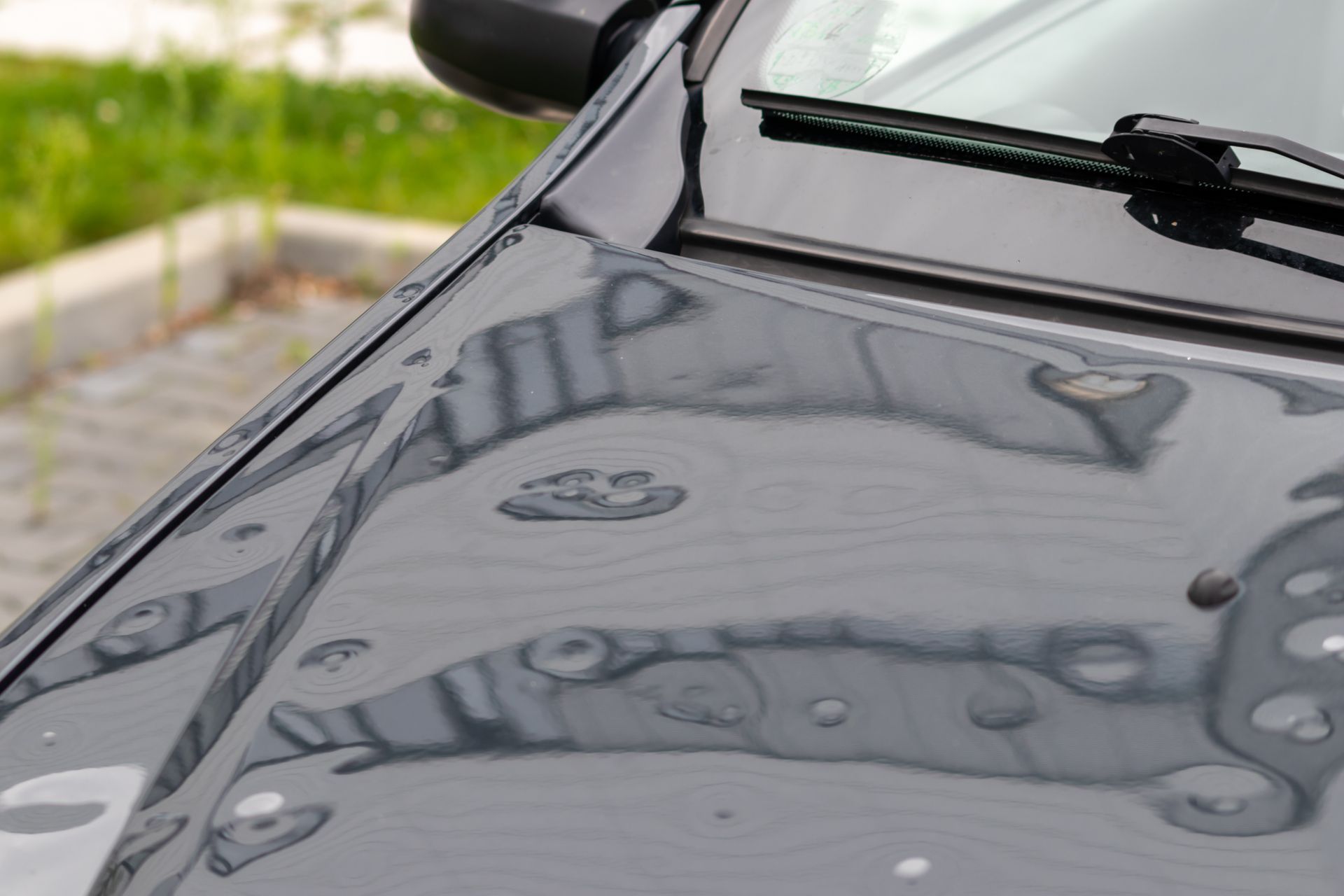
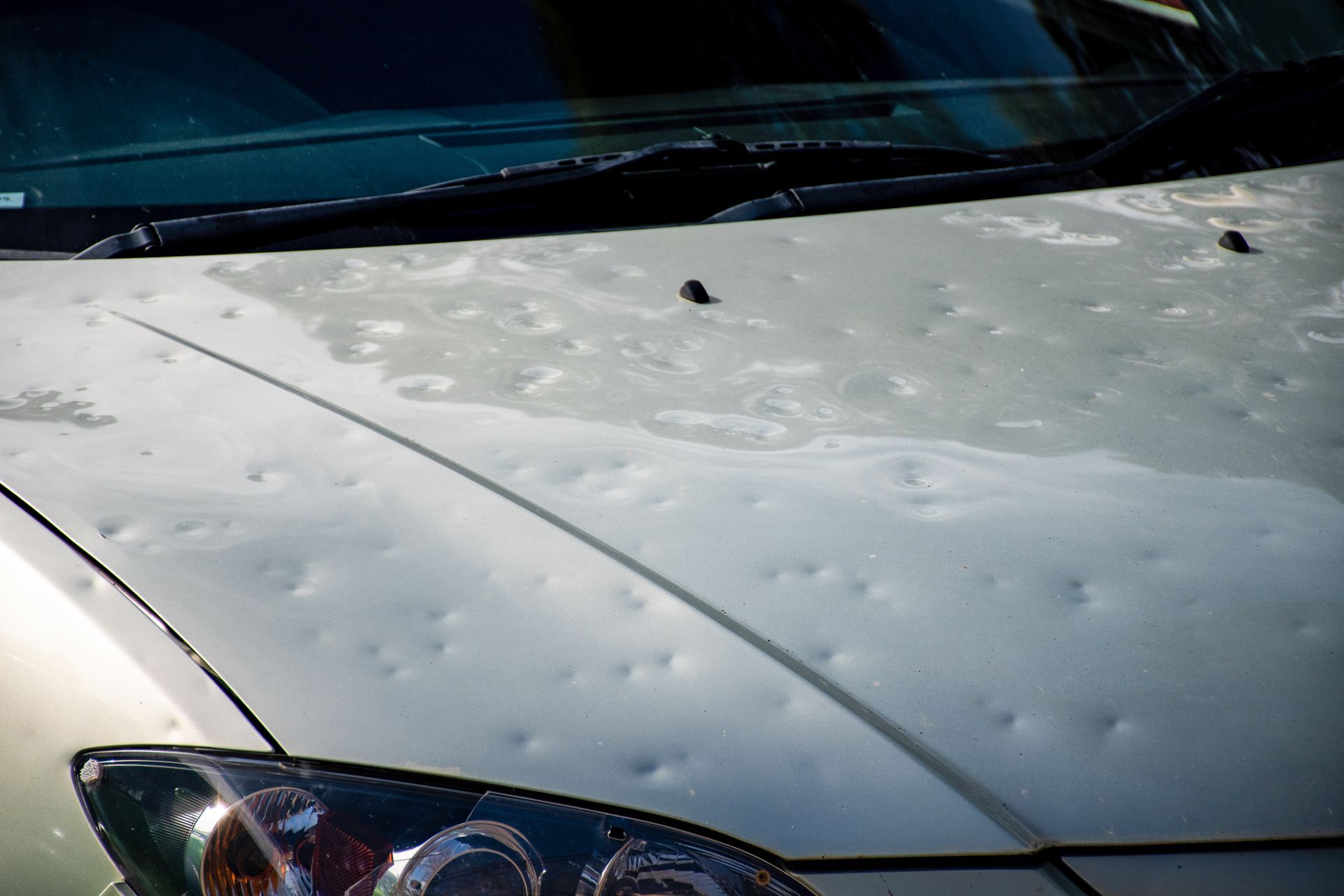
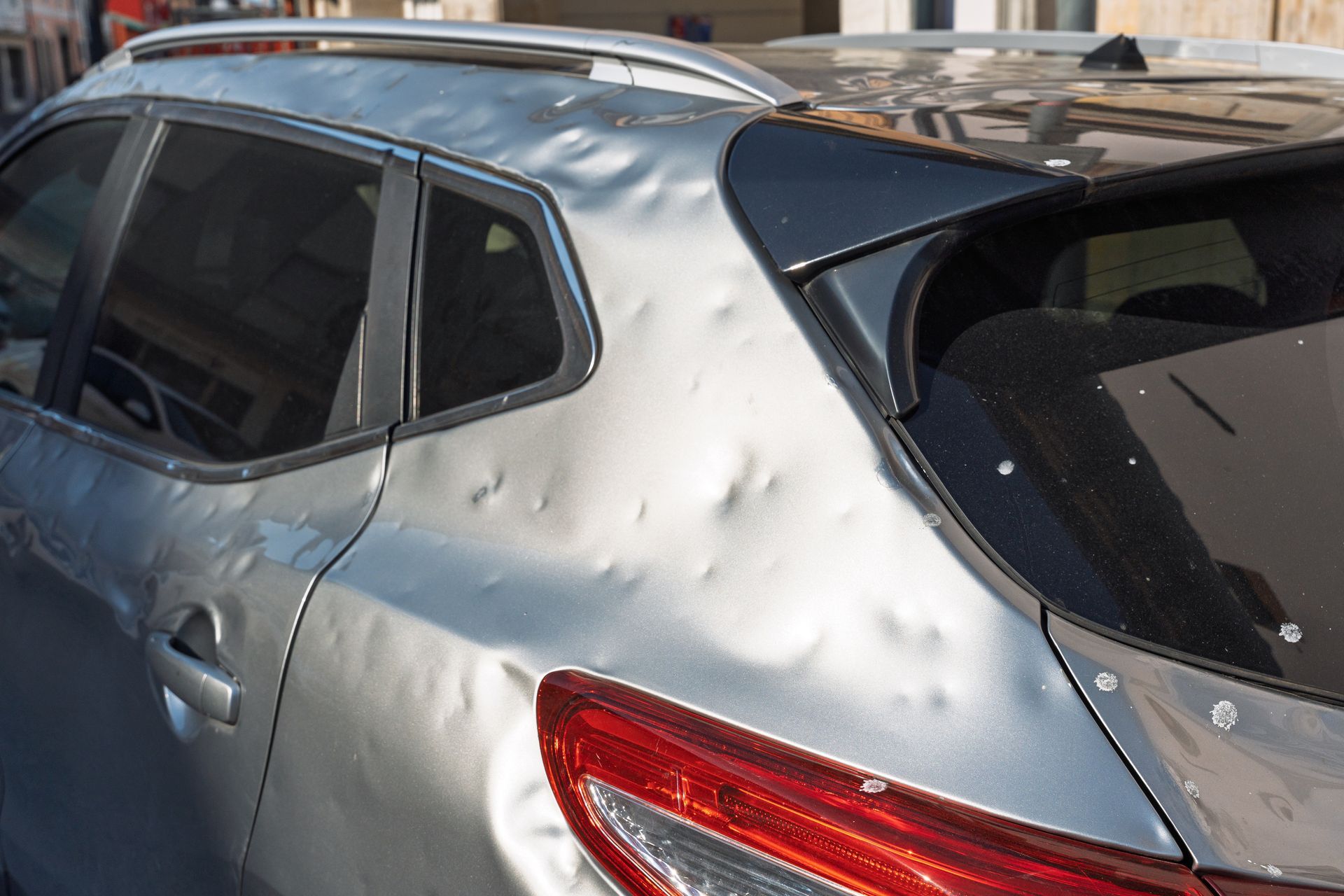
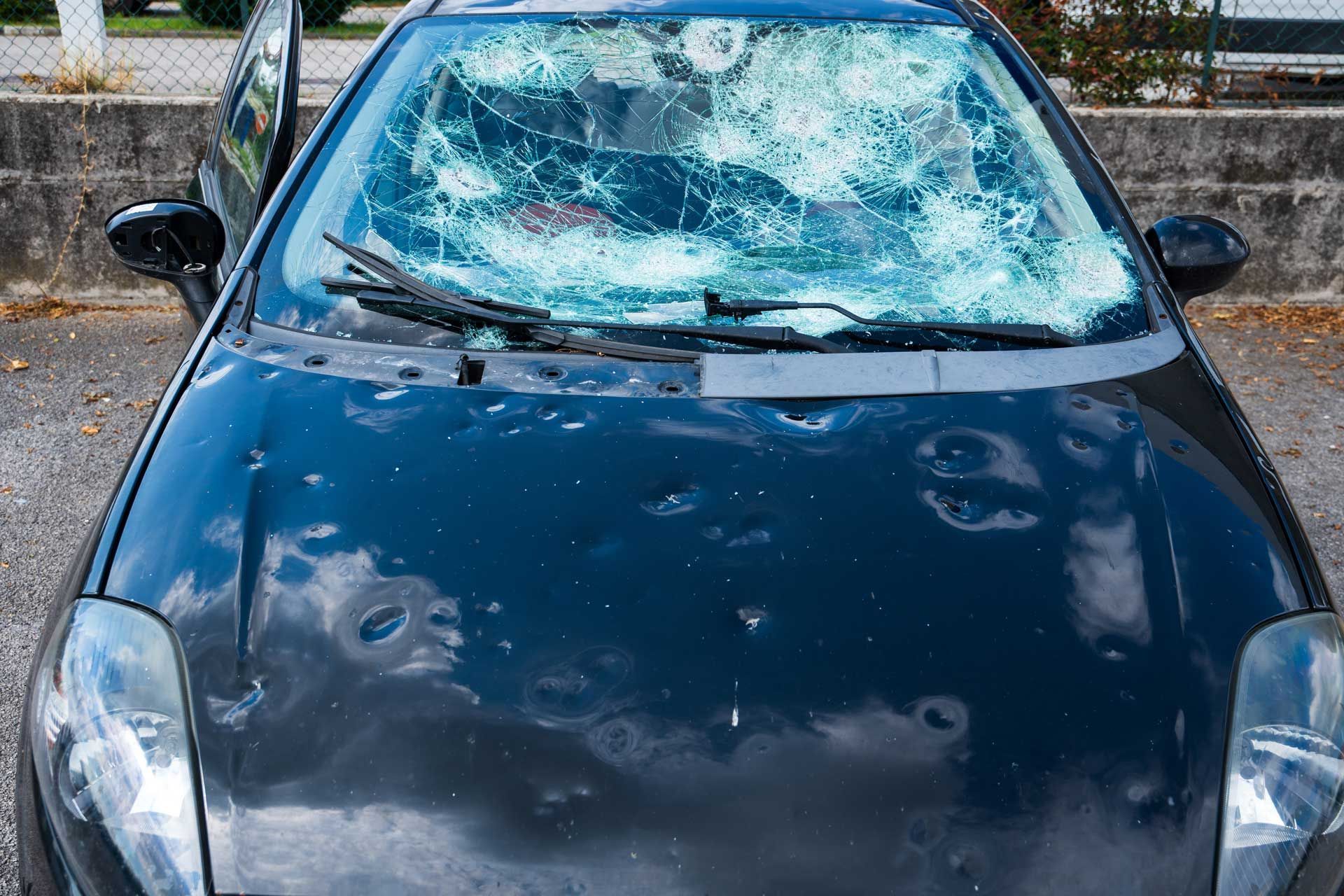
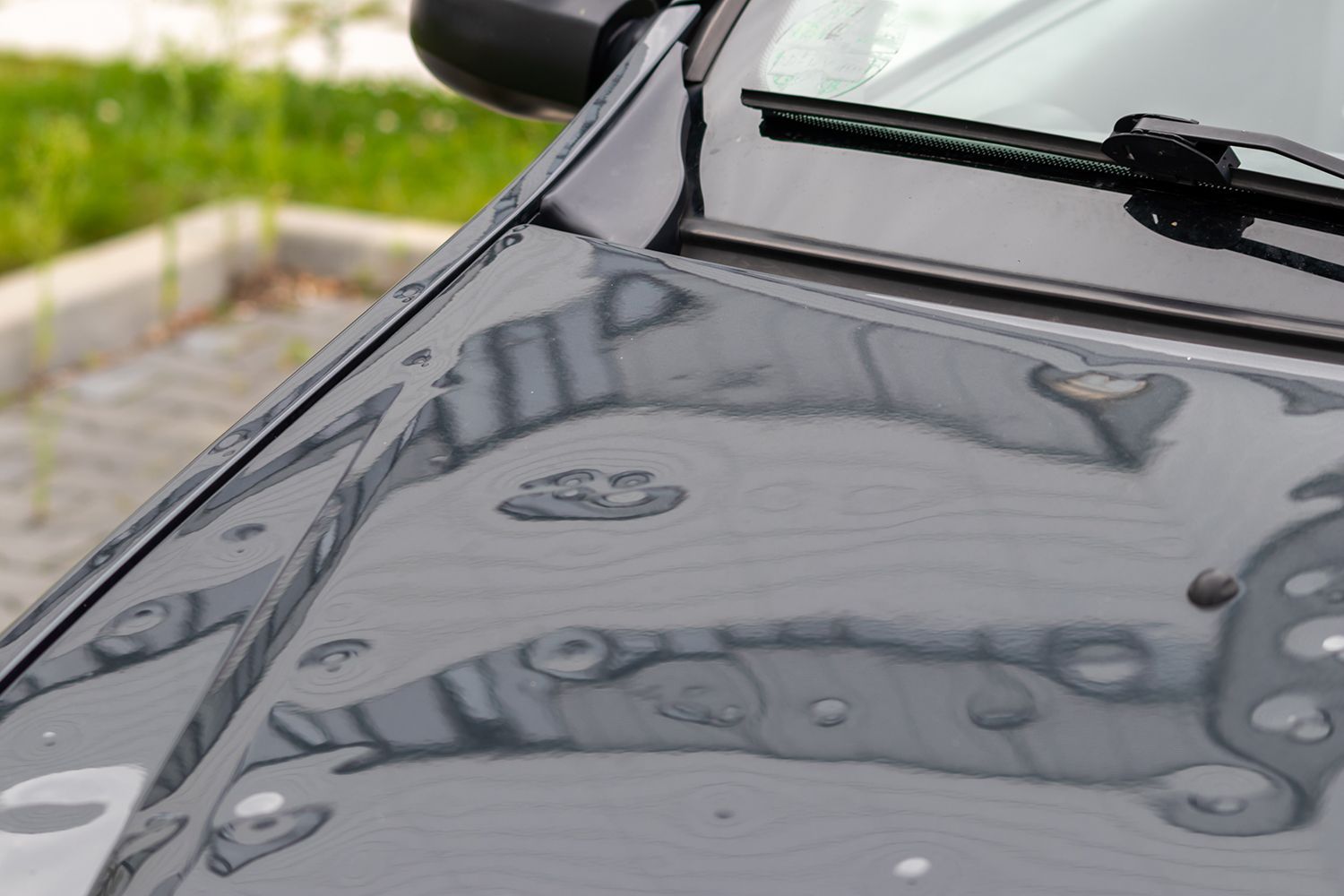
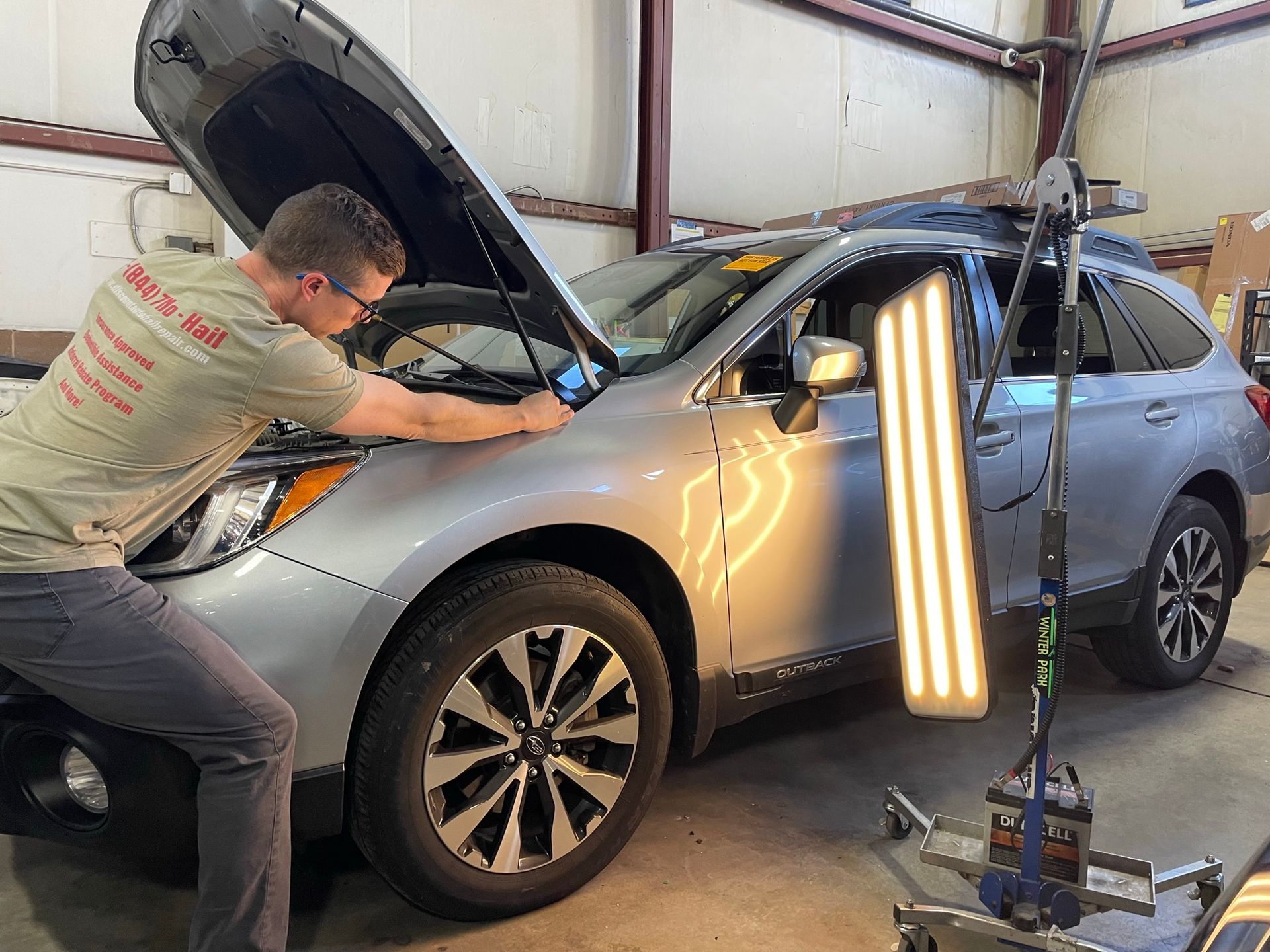
Your timeline starts the moment you book an inspection. A technician will examine every panel of your vehicle under proper lighting to map all visible dents. Dents may appear across the hood, roof, trunk, doors, fenders, and body panels after a Colorado storm. This inspection also determines whether your vehicle qualifies for paintless dent repair (PDR) or needs additional work. Getting in quickly matters, because after a major hail event, every reputable PDR shop in the Denver area books up quickly.
Step 2 -- Insurance Claim Approval (Days 1-7)
Once the inspection is complete, your shop will document the damage for your insurance company. How fast approval comes back depends on your insurer and how many claims they are processing after the storm. Filing promptly helps. File your claim within 60 days of the storm event, as delays make it harder to prove the damage came from that specific hailstorm. You can learn more about navigating this step on the insurance claim assistance page.
Step 3 -- Active Repair Time (Days 1-10, Depending on Severity)
This is where the actual hands-on work happens. Repair time varies based on how much damage your vehicle sustained.
- Light damage (a few small dents, limited panels): PDR can often wrap up in one to two days.
- Moderate damage (dents spread across multiple panels): Expect roughly three to five business days.
- Heavy damage (dents covering the roof, hood, trunk, and doors): Repairs may take seven to ten business days or longer.
The method chosen for repair plays an important role in determining how long the process will take. PDR typically offers a faster alternative, especially for minor to moderate damage, as it avoids traditional bodywork and repainting. PDR allows certified technicians to remove dents from the inside of the panel using precision tools, carefully massaging the metal back to its original shape without sanding, filling, or repainting.
Step 4 -- Rental Car Period
If your vehicle needs to stay at the shop, your rental car period runs alongside the active repair window. Most comprehensive auto insurance policies cover a rental during this time. Check with your insurer before you drop off your car so there are no surprises.
Step 5 -- Quality Check and Final Delivery
Before your vehicle is returned, a technician performs a final walkthrough to confirm every dent has been addressed and the finish looks right. This step typically adds a few hours, not extra days. Once it clears inspection, your car is ready for pickup or delivery.
Why Denver Timing Makes a Difference
Auto hail repair in Denver, CO, follows a surge pattern that is different from other markets. When a major storm hits neighborhoods like Capitol Hill, Stapleton, or Green Valley Ranch, shops across the metro can fill up within 24 to 48 hours. Slots go first come, first served, so sending photos early is the single best way to shorten the wait.
Choosing a dedicated PDR provider rather than a general body shop also affects your timeline. After every major hail event, out-of-state repair crews flood the Denver market, set up temporary operations, and disappear when the season ends, which can leave drivers without recourse if something goes wrong. Working with an established local shop helps protect you long after the auto hail repair is done.
You can see real before-and-after results from completed repairs on the
hail damage repairs page to get a sense of what professional PDR looks like at different damage levels.
How Long Does Auto Hail Repair Take for Minor Damage?
Minor hail damage, meaning a small number of dents with no cracked paint, can often be completed in one to two days using PDR. Minor repairs might take a day or two, especially if paintless dent repair is used. The sooner you get your vehicle in after a storm, the faster the process tends to move.
Does the Insurance Claim Add Time to the Repair?
It can. Insurance approval may take a few business days depending on the insurer and storm volume. However, a shop experienced with insurance coordination can often move that process along and keep your repair on schedule. Bringing your claim number to your appointment helps avoid delays on that end.
Is PDR Faster Than Traditional Body Shop Repair?
Yes, in most cases. PDR is faster, usually days instead of weeks. Traditional body shop methods require paint preparation, curing time, and color matching, all of which add days or even weeks to the process.
Ready to Get Started? Here Is Your Next Step
If your vehicle took hail damage this season, Elevate Hail & Dent Repair is here to help Denver drivers move through the repair process with less guesswork and more confidence. Their team handles everything from the initial damage inspection to insurance claim support, with repair timelines designed to get you back on the road as quickly as possible. Call 844-766-4245 to schedule your free consultation, or contact the team online to get started today.